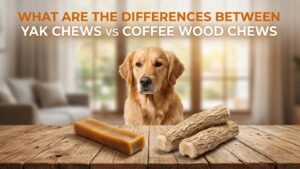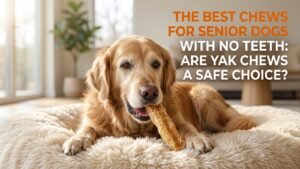
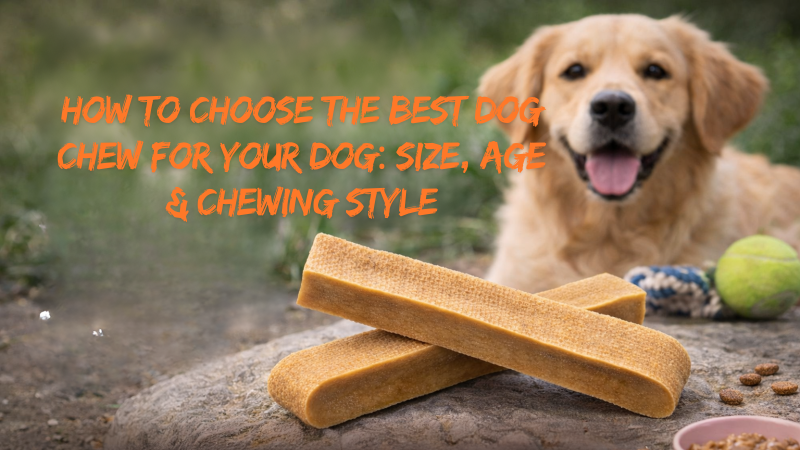
Choosing the best dog chew depends on your dog’s size, age, chewing style, and overall health. The right chew supports dental hygiene, mental stimulation, stress relief, and healthy chewing behavior, while the wrong option can increase the risk of choking, tooth fractures, digestive blockage, or excess calorie intake. Natural chews, bully sticks, dental chews, rubber toys, yak milk chews, and rawhide alternatives all offer different benefits based on chewing intensity and durability needs.
Safe chew selection also requires understanding ingredient quality, chew hardness, digestibility, and breed-specific needs. Puppies and senior dogs need softer chews that protect sensitive teeth, while aggressive chewers require durable options that withstand strong bite force without breaking into dangerous fragments. This guide explains how to compare dog chew types, avoid common safety risks, and choose the best chew for long-term dental health, behavioral enrichment, and daily chewing satisfaction.
Why Do Dogs Need Chews in the First Place?
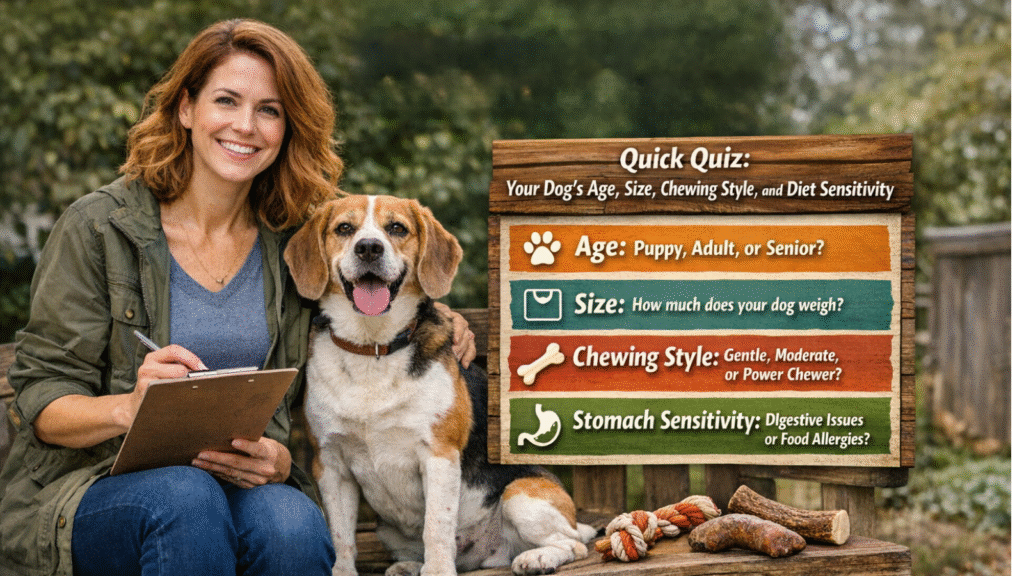
Dogs need chews because chewing is a hardwired biological behavior, not a learned habit. It serves 4 distinct functions: dental maintenance, jaw muscle development, mental stimulation, and anxiety relief. Without appropriate chew outlets, dogs redirect this behavior toward furniture, shoes, and household items.
How Do Dog Chews Support Dental Health?
Dog chews support dental health by reducing plaque through mechanical abrasion, important because periodontal disease affects 80–89% of dogs over 3 years of age, according to a peer-reviewed analysis of data from over 200,000 dog owners (Dog Owners’ Perspectives on Canine Dental Health, Frontiers in Veterinary Science). Daily chewing for over 15–20 minutes produces measurable improvements in gum health over 4–6 weeks.
Chews with textured surfaces scrape between teeth and along the gumline, areas a toothbrush rarely reaches effectively. The chewing motion also stimulates saliva production, which contains enzymes that neutralize oral bacteria. This is why daily chewing, even for 15–20 minutes, produces measurable improvements in gum health over 4–6 weeks.
What most guides overlook: not all chews deliver equal dental benefit. Soft chews dissolve too quickly for mechanical action to occur. Only chews with sustained resistance, lasting at least 10 minutes of active chewing, generate enough abrasion to meaningfully reduce tartar.
Why Do Some Dogs Chew More Than Others?
Some dogs chew more than others because of 3 primary drivers: breed genetics, developmental stage, and environmental stress levels. Terriers, retrievers, and working breeds carry a stronger genetic predisposition toward oral exploration and chewing due to their original working purposes: retrieving, digging, and gripping prey.
Puppies chew intensively between 3–6 months as teething pain peaks. Adolescent dogs between 6 and 18 months chew from boredom and excess energy as their brains develop impulse control. Adult dogs who chew excessively often experience under-stimulation or separation-related stress.
Understanding why your dog chews determines which chew type addresses the root cause, not just the behavior.
Can Chewing Help Reduce Anxiety and Boredom?
Yes, chewing directly reduces anxiety and boredom through two mechanisms. First, repetitive chewing triggers the release of serotonin, a neurotransmitter associated with calmness and contentment. Second, focused chewing occupies working memory, preventing the rumination cycle that drives anxious behavior.
Chewing also directly reduces anxiety. A 2023 controlled study from the Waltham Petcare Science Institute found that dogs given long-lasting chews during social isolation showed significantly lower arousal scores and more positive emotional states compared to treat-dispensing toys or smart devices, making the chew the most effective food-based enrichment tested (Long-Lasting Chews Elicit Positive Emotional States in Dogs, Animals 2023).
Long-lasting chews, those requiring 30–60 minutes of sustained engagement, produce the strongest calming effect. Chews that are consumed in under 5 minutes provide insufficient stimulation to meaningfully reduce anxiety.
What Types of Dog Chews Are Available?
The 5 main categories of dog chews are natural chews, rubber/nylon chews, edible chews, rawhide alternatives, and dental chews. Each category serves different chewing styles, health needs, and durability requirements. No single type suits every dog.
What Are Natural Dog Chews?
Natural dog chews are minimally processed chew products derived directly from animal or plant sources, including bully sticks, trachea, tendons, ears, and antlers. These chews contain no artificial additives, synthetic preservatives, or chemical flavorings.
The primary advantage of natural chews is digestibility. Animal-based natural chews break down enzymatically in a dog’s digestive system, reducing intestinal blockage risk compared to synthetic alternatives. The trade-off is variability; natural chews differ in hardness, caloric density, and durability across batches.
Plant-based natural chews include sweet potato, yak milk chews, and compressed vegetable sticks. These suit dogs with protein sensitivities or owners seeking lower-calorie options.
How Do Rubber and Nylon Chews Compare?
Rubber and nylon chews differ in 4 key dimensions: durability, digestibility, safety profile, and stimulation method.
| Feature | Rubber Chews | Nylon Chews |
| Durability | High, withstands moderate chewers | Very high, designed for aggressive chewers |
| Digestibility | Non-digestible (safe if not ingested) | Non-digestible (monitor for fragment ingestion) |
| Texture variety | Smooth to rigid; can hold treats inside | Firm, often flavored |
| Best suited for | Moderate chewers, enrichment use | Heavy chewers need durability |
| Key risk | Large chunk ingestion | Hard surfaces cause tooth fractures |
Rubber chews, particularly those designed for treat stuffing, add a food-reward dimension that extends engagement. Nylon chews last longer but carry a higher risk of tooth fracture in dogs who bite with extreme force.
Are Edible Dog Chews Better Than Non-Edible Options?
Edible dog chews are not universally better; they are more appropriate for dogs who swallow frequently or have high oral fixation, while non-edible chews better serve dogs who need long-duration occupation without caloric impact.
Edible chews dissolve gradually, reducing blockage risk. They satisfy the ingestion instinct present in gulping dogs. The disadvantage is shorter duration; most edible chews last 15–45 minutes, depending on dog size and chewing style.
Non-edible chews provide unlimited sessions without adding calories. Dogs with obesity, diabetes, or pancreatitis benefit most from non-edible options. The risk is that aggressive chewers may break off and swallow large fragments, which can cause gastrointestinal obstruction.
What Are Long-Lasting Dog Chews for Heavy Chewers?
The 5 best long-lasting chews for heavy chewers are elk antlers, yak milk chews (Himalayan chews), rubber Kong-style toys, compressed rawhide alternatives, and beef marrow bones (raw, not cooked). Each provides 30+ minutes of sustained engagement, even for dogs with high chewing force.
Elk antlers are the most durable natural option; a single antler chew lasts weeks to months, depending on chewing frequency. Yak milk chews harden during production, making them one of the few edible options that survive 45–90 minutes of heavy chewing before softening.
How Does Your Dog’s Size Affect Chew Selection?
Your dog’s size affects chew selection across 3 critical parameters: chew diameter relative to throat width, hardness tolerance relative to jaw force, and caloric content relative to daily energy needs. A chew appropriate for a 70-pound Labrador presents choking and dental fracture risks to a 12-pound Shih Tzu.
Which Chews Are Best for Small Dogs?
Small dogs, those under 25 pounds, need chews that are thin, pliable, and appropriately sized to prevent gulping whole pieces. The 4 best chew types for small dogs are thin bully sticks (6-inch standard), soft dried tendons, small yak milk chews (XS/S sizes), and appropriately sized rubber chew toys.
Small dogs have proportionally narrower esophagi and lower bite force. Thick antlers and large marrow bones appropriate for large breeds create choking and tooth-fracture risks in small dogs. Choose chews where the diameter is wider than your small dog’s mouth opening, which prevents end-swallowing. For yak-specific sizing, our detailed guide on what yak chew size is right for your dog’s breed and age covers exact dimensions to look for across every breed group.
Caloric density matters more for small breeds. A standard bully stick contains 80–120 calories, roughly 15–20% of a small dog’s daily caloric need. Accounting for chew calories prevents unintentional weight gain.
What Should Medium and Large Dogs Chew?
Medium dogs (25–60 pounds) and large dogs (60+ pounds) tolerate a wider range of chew types, including thick bully sticks, full-size antlers, large yak chews, and rubber toys in size-appropriate diameters. Large dogs with strong jaw muscles, Rottweilers, Pit Bulls, and Mastiffs, require hardness ratings above what medium dogs need to prevent rapid destruction.
Large dogs benefit particularly from size-appropriate marrow bones and elk antlers for the combination of dental abrasion and prolonged engagement. The marrow inside bones also provides fat-soluble nutrients, including omega-3 fatty acids and vitamin B12, adding nutritional value beyond behavioral benefit.
Why can oversized or Tiny Chews Be Dangerous?
Oversized chews pose 2 risks: jaw strain from unnatural opening angles and swallowing difficulty if the chew breaks into large segments. Tiny chews pose 3 risks: gulping whole without chewing, esophageal lodging, and intestinal obstruction from whole-piece ingestion.
The “knuckle test” is a practical sizing guideline: a chew diameter smaller than your dog’s knuckle can be swallowed whole and presents a choking risk. A chew requiring the dog to strain the jaw unnaturally for more than 5 minutes creates tendon and joint stress, particularly in brachycephalic breeds like Bulldogs and Pugs.
How Does Your Dog’s Age Influence the Best Chew Choice?
Your dog’s age influences chew selection across 3 developmental stages: puppy, adult, and senior, each characterized by distinct dental structure, jaw strength, and behavioral chewing drives. What is safe at 2 years becomes risky at 12 years.
What Chews Are Safe for Puppies?
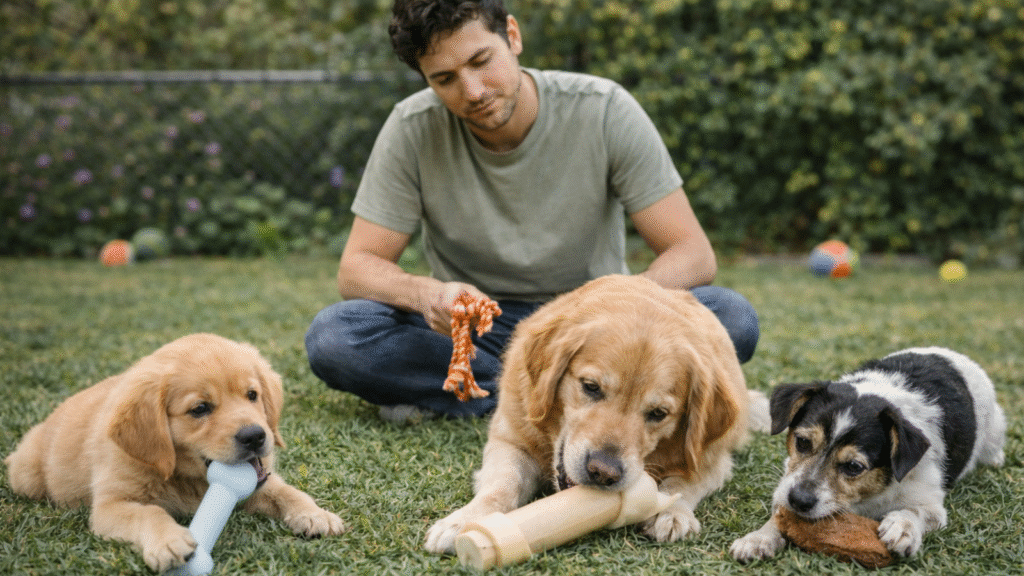
Safe chews for puppies are soft, pliable, and appropriately sized for developing teeth and smaller jaw structures. The 4 best puppy chew options are soft rubber teething toys, small dried chicken strips, puppy-specific bully sticks, and thin sweet potato chews.
Puppy teeth, both baby and emerging permanent teeth, are more prone to fracture than adult teeth. Hard chews such as antlers, cooked bones, and hard nylon sticks cause enamel fractures in puppies aged 8–16 weeks. Puppy chews need to indent when pressed firmly with a thumbnail; if the surface doesn’t yield under moderate pressure, it is too hard for a puppy.
Puppies also swallow large pieces more frequently than adults. Supervise all chew sessions for puppies under 6 months and replace any chew that has been reduced to a piece small enough to swallow whole. If you are considering a yak-based option for your pup, our guide to the best yak chews for puppies covers which textures and sizes are appropriate by age.
Which Dog Chews Work Best for Adult Dogs?
Adult dogs between 1 and 7 years tolerate the widest range of chew types and hardness levels of any age group. Appropriate options include bully sticks, elk antlers, raw bones, yak milk chews, and durable rubber chew toys. The right choice depends primarily on chewing style and health profile, not age alone.
Adult dogs in the 1–3 year range often chew most intensively as residual adolescent drive persists. These dogs benefit from longer-duration chews, 30+ minutes, to satisfy high engagement needs. Dogs aged 4–7 years typically become more methodical chewers, and medium-hardness options produce the best dental and behavioral outcomes.
What Should Senior Dogs Avoid When Chewing?
Senior dogs, those over 7 years for large breeds, over 10 years for small breeds, should avoid 4 chew categories: hard antlers, cooked bones, very thick bully sticks requiring sustained jaw force, and compressed nylon chews. Aging teeth have thinner enamel, reduced dentin density, and more brittle root structures than adult teeth.
The most common injury in senior dogs from inappropriate chews is a slab fracture, a vertical break along the side of a large molar. This fracture exposes the tooth’s pulp chamber, causing pain and requiring extraction. Soft rubber toys, thin tendons, freeze-dried meat chews, and soft yak chews provide safe alternatives for senior dogs who still need daily chewing activity.
What Ingredients Should You Look for in Dog Chews?
Dog chew ingredients fall into 3 priority tiers: beneficial natural ingredients, neutral fillers, and harmful additives. Reading the ingredient label with the same scrutiny applied to dog food labels prevents exposing your dog to unnecessary chemical burden.
Which Natural Ingredients Are Safest for Dogs?
The 5 safest natural ingredients in dog chews are single-source animal protein (beef, chicken, buffalo), yak milk (casein- and whey-based), sweet potato, pumpkin, and natural preservatives such as mixed tocopherols (vitamin E). Single-source proteins minimize allergenic exposure and support digestibility. For dog owners specifically prioritizing yak milk-based chews, sourcing from a leading yak chew manufacturer ensures you’re getting a product made from authentic yak milk with minimal processing and full ingredient transparency.
Look for chews where the ingredient list contains 1–3 recognizable ingredients. A bully stick ingredient label stating “pizzle (beef)” indicates a clean, single-ingredient product. A chew listing 12 ingredients, including natural flavors, caramel coloring, and cellulose, has undergone significant processing that reduces nutritional integrity.
Are Artificial Additives and Preservatives Harmful?
Artificial additives and preservatives present 3 documented risks in dogs: allergic reactions, gastrointestinal irritation, and potential long-term toxicity at cumulative doses. Chews containing butylated hydroxyanisole (BHA) are worth avoiding: the U.S. National Toxicology Program’s 15th Report on Carcinogens formally classifies BHA as ‘reasonably anticipated to be a human carcinogen’ based on animal evidence (NTP Report on Carcinogens, U.S. DHHS 2021). BHT does not carry this formal classification but has been flagged by European regulators for potential endocrine-disrupting activity.
Avoid chews containing propylene glycol, ethoxyquin, artificial red or yellow dyes (Red 40, Yellow 5), sodium nitrite, and sorbitol. These ingredients extend shelf life and enhance palatability but offer no nutritional benefit and introduce unnecessary chemical exposure.
How Can You Identify High-Quality Dog Chews?
High-quality dog chews share 5 consistent markers: short ingredient lists, single-country sourcing, VOHC seal (for dental chews), absence of artificial additives, and transparent manufacturing disclosures. Brands that publish sourcing locations, production methods, and third-party safety testing results demonstrate product integrity.
Country of origin matters because manufacturing standards vary significantly. Chews produced in the United States, Canada, Australia, and New Zealand operate under stricter ingredient sourcing and processing regulations than chews manufactured in regions with less regulatory oversight. For yak milk chews specifically, finding a reliable Himalayan yak chew supplier is the most effective first step in verifying both origin and production standards. When the country of origin is absent from the label, contact the manufacturer directly before purchasing.
What Safety Risks Should You Watch Out For?
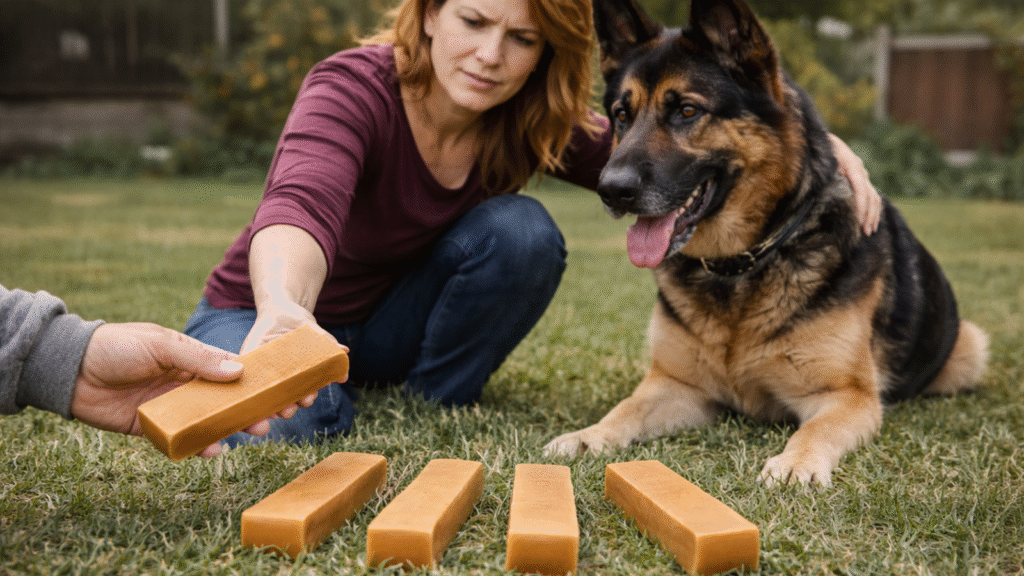
The 4 primary safety risks associated with dog chews are choking hazards, tooth fractures, gastrointestinal obstruction, and bacterial contamination. Each risk is preventable through proper chew selection, size matching, and supervised introduction.
Which Dog Chews Pose Choking Hazards?
The 5 chew types most commonly associated with choking incidents are cooked bones (which splinter into sharp shards), small rawhide pieces softened by saliva, corn cobs, hard plastic fragments, and any chew reduced below size-appropriate dimensions through chewing. Cooked bones are the highest-risk category; heat changes the bone’s molecular structure from flexible to brittle, creating razor-edged splinters when bitten.
The choking risk escalates when a dog reaches the “nub stage”, the final 2–3 inches of a consumed chew. At this point, the remaining piece is small enough to lodge in the throat. Remove all chews at the nub stage, regardless of the chew type.
How Can You Tell If a Chew Is Too Hard?
A chew is too hard if it fails the thumbnail press test: press your thumbnail firmly into the chew surface; if the surface shows no indentation, the chew is too hard for safe use. This practical field test, recommended by veterinary dental specialists, requires no tools and takes under 10 seconds.
Additional indicators of excessive hardness include: chipping sounds during chewing, your dog showing reluctance to bite down fully, visible enamel marks on the chew surface, or your dog pawing at the chew repeatedly. Ice cubes, cow hooves, marrow bones (cooked), and hard-pressed rawhide all fail the thumbnail test for most dogs. If you are evaluating a yak-based option, our dedicated post on whether yak chews are too hard for dogs walks through hardness ratings by dog size and breed.
When Should You Replace a Dog Chew?
Replace a dog chew immediately when it has been reduced to a size that fits entirely in your dog’s mouth, when it shows surface cracks or sharp edges, when it develops an off smell indicating bacterial growth, or when the dog begins showing discomfort while chewing.
For rubber and nylon chews, replace when deep grooves or chunks become visible. For edible chews, replace when the remaining piece is shorter than the width of your dog’s palm. Maintaining a replacement schedule prevents the most common safety incidents associated with dog chews.
How Can You Match a Chew to Your Dog’s Chewing Style?
Matching a chew to your dog’s chewing style requires classifying your dog into 1 of 3 chewing categories: aggressive, moderate, or gentle, and selecting chew hardness and durability accordingly. Mismatching chew hardness to chewing style creates both safety and engagement failures.
What Are the Best Chews for Aggressive Chewers?
The 4 best chews for aggressive chewers are elk antlers (split for marrow access), large yak milk chews, thick bully sticks (12-inch braided), and durable rubber chew toys rated for power chewers. Aggressive chewers apply bite force that destroys standard-durability chews within minutes, reducing cost-effectiveness and increasing ingestion risk.
Aggressive chewers benefit from split antlers rather than whole antlers; the exposed marrow gives them a productive focal point that slows chewing pace and extends engagement duration. Braided bully sticks take 2–3x longer to consume than single-strand versions because the braid requires the dog to work individual strands loose.
Which Chews Suit Gentle or Moderate Chewers?
Gentle and moderate chewers thrive with thin bully sticks, soft chicken or duck strips, tender dried tendons, small pig ears, and medium-hardness rubber toys. These chew types match the lower bite pressure these dogs apply; they provide meaningful dental abrasion and behavioral engagement without outlasting the dog’s interest.
Giving an overly durable chew to a gentle chewer produces frustration and disengagement. A gentle chewer presented with a thick elk antler will often sniff it and walk away within 2 minutes. Match the chew’s resistance level to the dog’s actual bite force, not to what you hope the dog can handle.
How Can You Test a New Chew Safely?
Testing a new chew safely follows a 3-step supervised introduction protocol. First, offer the new chew during an active supervision window; never leave a dog unattended with an untested chew type. Second, observe for 15 minutes of initial engagement, watching for gulping, excessive salivation indicating stress, or attempts to swallow large pieces whole. Third, assess the chew at 30-minute intervals for structural changes, soft spots, cracks, or significant size reduction.
Introduce only 1 new chew type per week. This isolation protocol ensures that any digestive response, loose stool, vomiting, or appetite changes can be attributed directly to the new chew rather than multiple simultaneous introductions.
How Do Popular Dog Chew Options Compare?
Comparing the most popular dog chew options reveals significant differences in safety profiles, digestibility, nutritional value, and durability that label marketing rarely discloses clearly.
Are Bully Sticks Good for Dogs?
Bully sticks are among the safest and most digestible natural chews available, making them suitable for most dogs when sized appropriately. Bully sticks are made from dried beef pizzle, a single-ingredient, fully digestible protein source. They contain no artificial additives, no synthetic preservatives, and no known toxic compounds. If you are weighing bully sticks against yak-based alternatives, our yak chews vs. bully sticks comparison breaks down the differences in digestibility, durability, and caloric content side by side.
Caloric density matters more than most owners realize: a nutritional analysis of 26 bully sticks found an average of 15 kcal per inch (range 9–22 kcal), meaning an 8-inch stick gives a 50-lb dog approximately 120 calories, or 11.8% of their daily energy budget, exceeding the recommended 10% treat ceiling. Notably, 50% of surveyed dog owners underestimated how many calories were in chew treats (The Benefits and Risks of Chew Treats, Today’s Veterinary Practice Jan/Feb 2024).
Odor is a consistent complaint with bully sticks; the natural drying process produces a strong smell that intensifies with saliva. Odor-free bully sticks undergo additional processing that reduces smell but slightly lowers palatability.
How Do Rawhide Chews Compare to Alternatives?
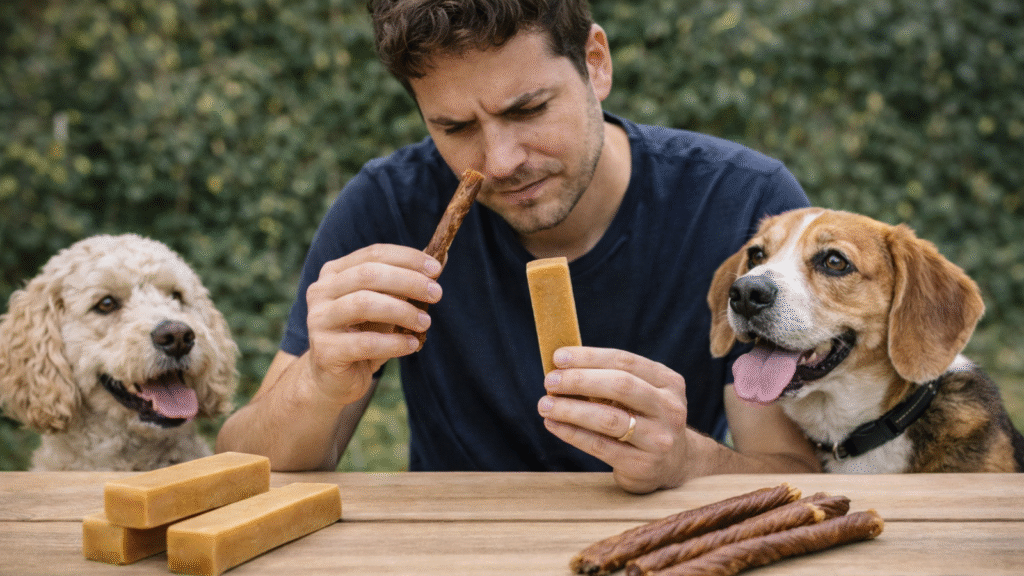
Rawhide chews present 3 documented concerns compared to alternatives: high chemical processing exposure, low digestibility, and choking risk from softened large pieces. Traditional rawhide is the inner layer of cattle hide treated with sodium sulfide or hydrogen peroxide liming solutions to remove hair and fat, then shaped and dried. These chemical residues remain detectable in finished rawhide products.
When rawhide softens during chewing, it becomes pliable enough for large pieces to be swallowed whole. Unlike digestible chews, rawhide pieces do not break down reliably in a dog’s stomach, increasing obstruction risk. Safer alternatives that satisfy the same behavioral need include thick bully sticks, Himalayan yak chews, and compressed collagen chews, all of which offer comparable durability with superior digestibility profiles.
Are Antlers and Bones Safe for Dogs?
Antlers and raw bones are conditionally safe; their safety depends entirely on preparation method, size appropriateness, and the individual dog’s chewing intensity. Elk and deer antlers, split or whole, provide exceptional durability and contain marrow rich in calcium, phosphorus, and fatty acids. The key risk with antlers is tooth fractures in power chewers who apply maximum bite force.
Raw bones carry a different risk-benefit profile than cooked bones. Raw bones remain flexible due to their collagen content, reducing splintering risk significantly. Cooked bones, boiled, smoked, or baked, lose moisture and become brittle, creating sharp splinters that lacerate the esophagus, stomach, and intestines. Never offer cooked bones of any type. Raw, meaty bones such as raw chicken wings, raw beef ribs, and raw knuckle bones are digestible and provide legitimate dental benefit when size-matched correctly.
How Can You Choose Dog Chews Based on Health Needs?
Selecting dog chews based on health needs requires matching the chew’s ingredient profile and caloric content to the dog’s specific medical or physiological condition. 3 common health-based selection needs are digestive sensitivity, weight management, and food allergies.
Which Chews Help Dogs With Sensitive Stomachs?
Dogs with sensitive stomachs tolerate single-ingredient, highly digestible chews such as plain bully sticks, sweet potato chews, and freeze-dried single-protein chews better than multi-ingredient processed options. The digestive sensitivity in these dogs often stems from dietary protein transitions, intestinal microbiome imbalance, or inflammatory bowel conditions.
Single-ingredient chews minimize the number of novel compounds entering the digestive tract simultaneously. Introduce new chews in 15-minute sessions initially, extending duration only after 3–5 days of confirmed digestive tolerance. Avoid chews with high fat content, pig ears, marrow bones, and fatty skin chews, as dietary fat is the most common trigger for pancreatitis in sensitive-stomach dogs.
Are There Low-Calorie Dog Chew Options?
The 4 lowest-calorie dog chew options are dried carrot chews (approximately 10 calories per piece), thin dried sweet potato strips (15–20 calories), rubber chew toys with water or low-calorie stuffing, and rice-based dental chews. Each provides meaningful chewing engagement at a fraction of the caloric load carried by protein-based chews.
Non-edible rubber and nylon chews contain zero calories, making them ideal for dogs on calorie-restricted diets. Stuffing a rubber toy with unseasoned plain pumpkin puree or unsalted chicken broth adds flavor motivation at 5–15 calories per session, a practical low-calorie compromise for food-motivated dogs.
What Chews Work Best for Dogs With Allergies?
Dogs with documented food allergies need chews made from a novel protein source, a protein the dog has never been exposed to. If your dog’s allergy panel identifies sensitivity to beef, chicken, and dairy, appropriate chew options include kangaroo tendons, venison sticks, rabbit ears, or fish skin chews.
3 rules apply for allergy-conscious chew selection: First, verify that the single ingredient matches the novel protein. Second, confirm the chew is manufactured on dedicated allergen-free equipment to prevent cross-contamination. Third, introduce the new chew during the same period as a dietary elimination trial to maintain the integrity of protein isolation.
How Should You Approach Dog Chew Selection for Long-Term Health?
Dog chew selection for long-term health operates on a rotation principle: varying chew types every 2–4 weeks prevents nutritional overload, behavioral satiation, and allergen accumulation. No single chew type provides the complete spectrum of dental, behavioral, and nutritional benefits your dog needs at every life stage.
Can Expert Guidance Help You Choose the Right Dog Chew?
Yes, veterinary and veterinary dental input materially improves chew selection outcomes, particularly for dogs with existing dental disease, gastrointestinal conditions, or known allergies. A veterinary dental specialist can identify enamel wear patterns, detect early fractures, and recommend specific hardness ratings based on your dog’s tooth condition.
The VOHC maintains an updated list of products that meet its efficacy standards for plaque and tartar reduction. Cross-referencing a chew against this list provides objective third-party validation beyond manufacturer claims. Veterinary nutritionists offer guidance on caloric integration, ensuring chewable calories are accounted for within the total daily energy budget.
What Are the Key Takeaways for Choosing the Best Dog Chew?
Choosing the best dog chew for your dog comes down to 6 decisive factors applied in order:
- Size match: Select chew diameter and length appropriate to your dog’s weight and throat width.
- Age appropriateness: Use soft chews for puppies, versatile chews for adults, and pliable chews for seniors.
- Chewing style classification: Match chew hardness to aggressive, moderate, or gentle chewing force.
- Ingredient transparency: Choose single-ingredient or short-ingredient-list chews with no artificial additives.
- Health condition alignment: Account for caloric needs, protein sensitivities, and digestive tolerance.
- Supervised introduction: Always monitor the first 3 sessions with any new chew type before unsupervised access.
The thumbnail press test remains the fastest field check for hardness safety. The nub-stage removal rule prevents most choking incidents. Rotating chew types every 2–4 weeks prevents behavioral satiation and allergen accumulation while supporting comprehensive dental health.
A dog chew is not a treat; it is a behavioral tool, a dental instrument, and a source of sustained mental engagement. Choosing correctly means your dog benefits on all 3 levels simultaneously while you eliminate unnecessary safety risks from your home.