
Thinking about bringing Himalayan yak chews into the UAE market? It’s a good idea, honestly. People are really into natural stuff for their pets these days, and these chews are pretty unique. But, like anything you import, there’s a bit of paperwork and planning involved. We’ll break down what you need to know to get these tasty treats from Nepal to pet owners in the UAE. This guide will help you figure out the market, the rules, and how to actually get them there and sell them.
Key Takeaways:
- The UAE pet market is growing, especially for natural treats like Himalayan yak chews.
- You’ll need to understand UAE import rules and get the right paperwork for pet food.
- Finding a good supplier in Nepal who can provide quality chews and meet your order size is important.
- Figure out the best way to ship your products and handle customs in the UAE.
- Plan your pricing, payment methods, and how you’ll market your yak chews to UAE customers.
Understanding The UAE Market For Pet Products
The pet product market in the UAE is really taking off. It seems like more and more people are getting pets, and they’re ready to spend money to keep them happy and healthy. This isn’t just about basic pet food anymore; owners are looking for higher-quality, more natural options, and unique items that can keep their pets entertained and well-cared for. It’s a pretty exciting time to be thinking about bringing a new pet product into the country.
The Growing Demand For Natural Dog Treats
When it comes to dog treats, there’s a definite shift happening. People are becoming more aware of what goes into their pets’ food. They’re moving away from artificial ingredients and looking for things that are natural, healthy, and good for their dog’s well-being. Think about treats made from simple, recognizable ingredients. This trend is a big deal because it means there’s a market for products like Himalayan yak chews, which fit this natural and durable treat category perfectly. They’re made from milk, which sounds pretty wholesome, right?
Opportunity In The UAE Pet Industry
The import dimension of this trend is equally compelling. According to the USDA’s 2025 UAE Retail Foods Annual, total UAE imports of dog and cat food jumped 37% in a single year, from $80.7 million in 2023 to $110.8 million in 2024. Nepal does not yet appear among the top-tier supplying nations, which means Himalayan yak chew importers are entering a high-growth market with limited direct competition from other Nepali suppliers. The UAE pet industry is growing fast. You see more pet stores, more grooming services, and definitely more people talking about their pets online. This growth means there’s a bigger customer base for all sorts of pet products. For someone looking to import something new, this expanding market is a good sign. It suggests that consumers are open to trying new things, especially if they offer clear benefits for their pets. It’s not just about having a pet; it’s about treating them like family, and that means spending on quality products.
Himalayan Yak Chews: A Unique Offering
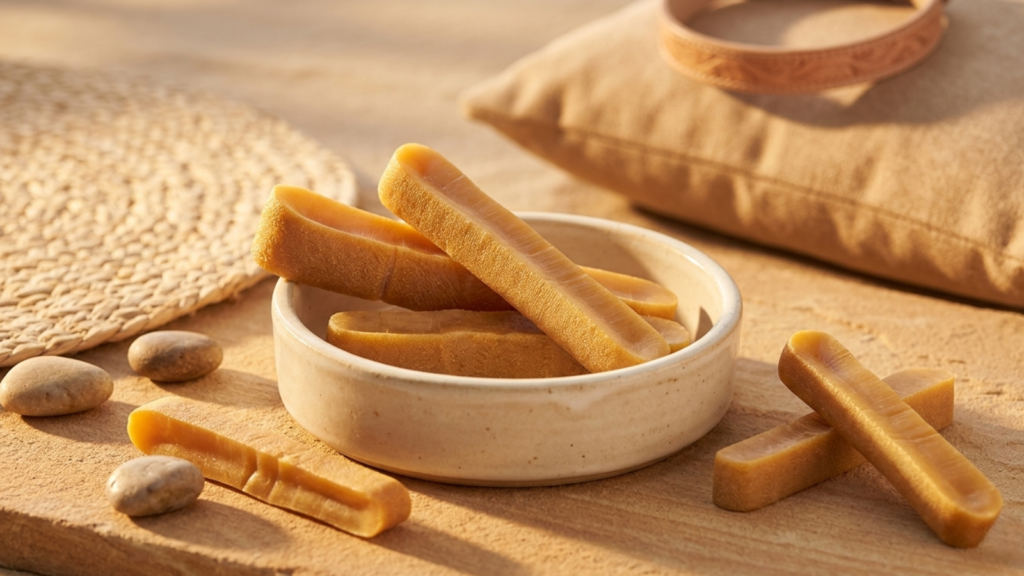
Himalayan yak chews stand out in this market. They’re not your average dog biscuit. These chews are known for being really long-lasting, which is a huge plus for dog owners who want something to keep their pets occupied. Plus, they’re made from a simple, natural ingredient – yak or cow milk. This makes them a great option for dogs with sensitivities or for owners who are specifically looking for natural treats. Their unique origin and the way they’re made give them a story, and in today’s market, a good story can really help a product connect with consumers. Beyond their long-lasting chew time, these treats are known to support oral hygiene, scraping away plaque and tartar as dogs gnaw. For a full breakdown of how this works, the dental benefits of Himalayan yak chew churpi make a compelling case for why UAE pet owners are willing to pay a premium. They offer both dental health and a way to keep dogs entertained, which is a clear win-win for importers targeting quality-conscious buyers.
Navigating Import Regulations For Pet Supplies
Bringing pet products into the UAE involves a few key steps to make sure everything goes smoothly. It’s not just about getting the product; you’ve got to follow the rules. This section breaks down what you need to know about the regulations.
Key Regulatory Bodies In The UAE
When importing pet supplies, you’ll primarily be dealing with a couple of main government departments. The Ministry of Climate Change and Environment (MOCCAE) is a big one, overseeing animal health and product safety. They’re the ones who want to make sure what you’re bringing in won’t harm local animals or the environment. Then there’s the Dubai Municipality (or the relevant municipality in other Emirates), which handles food safety and consumer protection for products sold within its jurisdiction. It’s good to know who’s who so you can direct your questions to the right place.
Documentation Required For Pet Food Imports
Getting your paperwork in order is probably the most important part of this whole process. You can’t just show up at customs with a pallet of yak chews and expect it to be easy. You’ll need a set of documents ready to go. This usually includes:
- Health Certificate: This comes from the country of origin and confirms the product is safe and healthy for pets.
- Certificate of Origin: This shows where the product was made.
- Commercial Invoice: Details the sale and value of the goods.
- Packing List: Lists everything included in the shipment.
- Bill of Lading or Air Waybill: This is your shipping document.
- Manufacturer’s Declaration: A statement from the producer about the product’s ingredients and safety.
Sometimes, you might also need a Free Sale Certificate, which basically says the product is approved for sale in its home country. Always double-check the latest requirements with the UAE authorities before you ship, as rules can change. For importing animals and birds, you need a valid agency agreement between the manufacturer and a local UAE entity, along with a valid GMP or equivalent certificate issued by the competent authority [1156].
Compliance With UAE Import Laws
Beyond just the documents, you need to make sure your yak chews meet the UAE’s standards. This means looking at ingredient lists – no prohibited substances, obviously. The packaging also needs to be clear and accurate, listing all ingredients and nutritional information in Arabic, if required. It’s also wise to look into any specific labeling requirements for pet food. Getting this wrong can lead to delays, fines, or even your shipment being sent back. It’s worth spending time to get this right from the start to avoid headaches later on. You’ll want to make sure your product aligns with the general import laws of the UAE, which cover everything from product safety to customs duties.
Sourcing Himalayan Yak Chews From Nepal

Finding the right supplier for your Himalayan yak chews is a big step. Nepal is where these unique treats come from, traditionally made from yak or cow milk using old methods. They’re known for being super tough and good for a dog’s teeth. When you’re looking for a supplier, you want someone who knows what they’re doing and can give you a consistent product.
Identifying Reliable Suppliers
When you’re on the hunt for a supplier in Nepal, it’s not just about finding anyone. You need someone reliable, export-ready, and transparent about their production standards. If you want a structured framework for vetting manufacturers, this guide on how to find a reliable Himalayan yak chew supplier walks through exactly what to look for, from certifications to red flags, before you commit to a relationship. It helps if they can communicate well, especially if you don’t speak Nepali. Some companies might already be exporting to other countries, which is a good sign they know the ropes.
- Check for existing export experience: Suppliers who have exported before likely have a better grasp of international shipping and documentation.
- Look for online presence and reviews: A company with a website and positive feedback from other buyers is usually a safer bet.
- Ask for references: Don’t be shy about asking for contact information from other businesses they supply.
- Consider visiting if possible: If your budget allows, a trip to Nepal to see the production facilities firsthand can be very telling. For a head start on your research, a roundup of the top Himalayan yak chew suppliers in Nepal can help you build an initial shortlist before making contact.
Quality Assurance And Certifications
Quality is super important for pet products. You don’t want to send anything to the UAE that could make pets sick. Look for suppliers who can show proof of their quality control. This might include things like lab tests for safety or certifications that show they follow good manufacturing practices. Some companies are even working towards certifications like BRC (British Retail Consortium), which is a big deal in the food industry and shows a high level of quality and safety.
Not every supplier in Nepal meets these standards, which is why vetting matters before placing your first order. If you’re looking for a reliable yak chew manufacturer that already ticks these boxes:
- Food safety certifications: Certifications like HACCP or ISO are good indicators.
- Product testing: Ask if they conduct regular testing for contaminants or harmful bacteria.
- Natural ingredients: Confirm that the chews are made purely from milk with no added chemicals, preservatives, or artificial colors.
- Traceability: A good supplier should be able to trace the ingredients back to their source.
YforYak dog chew is one benchmark worth examining when comparing suppliers.
Understanding Minimum Order Quantities
Most manufacturers, especially those making artisanal products like yak chews, will have a minimum order quantity (MOQ). This is the smallest amount you can order from them. It’s usually based on weight, like 25 kilograms, or a certain number of pieces. You need to figure out if this MOQ works with your business plan and how much you want to start with. If the MOQ is too high, you might need to find a different supplier or try to negotiate.
Typical MOQs for yak chews might look something like this:
| Product Type | Minimum Order Quantity |
| Yak Chews (Bulk) | 100 kg |
| Yak Chews (Packaged) | 500 units |
It’s always best to ask potential suppliers directly about their MOQs, as these can vary quite a bit.
Getting the right product from a trustworthy source in Nepal is the foundation of your import business. Don’t rush this part; take the time to vet your suppliers thoroughly. It will save you a lot of headaches down the road.
Logistics And Shipping To The UAE

Getting your yak chews from Nepal to the UAE involves a few steps. It’s not as simple as just putting them in a box and sending them off. You’ve got to think about how they’ll travel and what happens when they get to the UAE.
Choosing The Right Shipping Method
There are a couple of main ways to get your yak chews to the UAE. You can go with air freight or sea freight. Air freight is faster, which is great if you need to get your product to market quickly or if you’re dealing with smaller, high-value shipments. However, it’s usually more expensive. Sea freight, on the other hand, is much cheaper, especially for larger quantities, but it takes a lot longer. For yak chews, which aren’t super perishable but still need to be handled with care, you’ll need to weigh the cost against the speed.
- Air Freight: Best for speed, smaller volumes, and higher cost.
- Sea Freight: Best for larger volumes, lower cost, longer transit times.
- Consideration: Factor in transit time, cost, and the quantity you’re shipping.
Port Of Dispatch And Customs Clearance
Your yak chews will likely be dispatched from Nepal. The main port of dispatch from Nepal for goods like this is often Kathmandu. Once the shipment reaches the UAE, it will go through customs. This is where all the paperwork you’ve gathered comes into play. You’ll need to work with a customs broker in the UAE to make sure everything is declared correctly and that you pay any necessary duties or taxes. Getting this part right avoids delays and potential fines.
Customs clearance can be a bit of a maze. It’s wise to have a local partner or broker who knows the ins and outs of UAE import laws for pet products. They can help prevent hiccups.
Packaging And Handling Considerations
How you pack your yak chews is pretty important. They need to be protected during transit, whether that’s by air or sea. Think about moisture, temperature changes, and physical damage. You’ll want sturdy packaging, maybe even with some padding. If you’re shipping a large amount, you might be looking at cartons or pallets. It’s also a good idea to label your packages clearly with all the necessary shipping information, including your contact details and the destination address in the UAE. Some suppliers might offer different packaging options, like bulk or custom packaging, so discuss this when you’re placing your order.
- Use durable materials to prevent damage.
- Protect against moisture and extreme temperatures.
- Label clearly with all shipping details.
- Discuss packaging options with your supplier.
Pricing And Payment For Imports
So, you’ve found your yak chews and figured out the import rules. Now for the nitty-gritty: how much is this going to cost, and how do you actually pay for it?
Estimated Pricing Structures
Pricing for Himalayan yak chews can really vary. It depends a lot on the supplier, the quality of the chews, how big they are, and, of course, how many you’re buying. Smaller suppliers might have slightly higher per-unit costs, while larger ones, especially those exporting directly from Nepal, can often offer better bulk pricing. You’ll also see different price points based on whether the chews are standard, extra-large, or perhaps flavored. Don’t be afraid to ask for a detailed price list.
Here’s a rough idea of what you might encounter:
- Small Chews: contact for Price
- Medium Chews: contact for Price
- Large Chews: contact for Price
Remember, these are just estimates. Always get quotes directly from suppliers.
Payment Terms And Options
When it comes to paying your supplier, there are a few common ways things work. You’ll often see terms like T/T (Telegraphic Transfer), which is basically a bank wire transfer. This is pretty standard for international business. Other options might include L/C (Letter of Credit), D/P (Documents against Payment), or D/A (Documents against Acceptance). PayPal and Western Union are sometimes available, especially for smaller initial orders, but they might come with higher fees for larger transactions.
- T/T (Telegraphic Transfer): Common, usually requires a deposit upfront and the balance before shipping.
- L/C (Letter of Credit): More complex, often used for very large orders, provides security for both parties.
- PayPal/Western Union: Convenient for smaller amounts, but can be costly for bulk.
It’s important to clarify the payment schedule with your supplier. Some might ask for 30% upfront and 70% upon shipment, while others might have different arrangements. For new relationships, a 50/50 split is also quite common.
Calculating Import Costs
Beyond the price of the yak chews themselves, there are other costs to factor in. You’ve got shipping fees, which can add up depending on the method and speed. Then there are customs duties and taxes in the UAE, which vary based on the product’s classification. Don’t forget potential costs for inspections, insurance for the shipment, and any fees your bank might charge for international transfers. It’s a good idea to build a buffer into your budget for unexpected charges.
It’s easy to get caught up in just the product price, but a true cost analysis needs to look at the whole picture. Think about freight, insurance, customs, and even potential storage fees once the goods arrive. All these bits and pieces add up, and underestimating them can really hurt your profit margins.
Here’s a simplified breakdown of what to consider:
- Product Cost: The price you pay your supplier for the yak chews.
- Shipping Costs: Air freight, sea freight, or courier services.
- Customs Duties & Taxes: Levied by UAE authorities.
- Insurance: To cover loss or damage during transit.
- Port Fees & Handling: Charges at the UAE port.
- Bank Fees: For international payment processing.
Getting a clear understanding of all these expenses upfront will help you set a competitive price for your customers in the UAE.
Establishing Your Brand In The UAE Market
So, you’ve got your yak chews ready to go, and you’re looking to make a splash in the UAE. That’s awesome! But just having a great product isn’t enough, right? You’ve got to make sure people know about it and want to buy it. This is where building your brand comes into play. It’s about more than just a logo; it’s about how people feel when they think about your yak chews.
Branding and Packaging Strategies
Think about what makes your yak chews special. Are they super long-lasting? All-natural? Ethically sourced? Your brand story should highlight these points, and if you need to articulate them clearly for packaging copy or ad campaigns, understanding what makes Himalayan yak chews unique in the market gives you a solid foundation to build messaging that resonates with UAE pet owners. For the UAE market, packaging needs to look good but also be practical. Consider designs that appeal to pet owners who appreciate quality and natural products. Maybe a clean, modern look with some subtle nods to the Himalayan origins? It’s a good idea to have packaging that clearly states the benefits – like dental health or long-lasting chew time. Remember, first impressions matter a lot, especially in a competitive market.
Marketing Your Yak Chews to UAE Consumers
How do you get the word out? Social media is huge here. Think Instagram and TikTok, showing happy dogs enjoying your chews. Partnering with local pet influencers or groomers could be a smart move. You could also run targeted ads online. Don’t forget about local pet events or expos if they happen. Offering samples or introductory discounts can get people to try your product. It’s not just about having a pet; it’s about treating them like family, and that means spending on quality products. According to a 2025 USDA report on the UAE pet food market, the sector grew 254% over the past decade to reach $219 million in retail sales in 2024, with dog food alone projected to grow another 8% in 2025. That rapid expansion confirms there is a large and increasingly premium-minded audience ready for quality treats like Himalayan yak chews.
Building a Distribution Network
Getting your product into the hands of customers is key. You’ll want to connect with pet stores, both big chains and smaller independent shops. Online pet retailers are also a big deal in the UAE, so getting listed on their platforms is a must. Think about working with veterinary clinics too; they often have retail sections. Building relationships with distributors who already have a presence in the UAE pet industry can speed things up considerably. It’s a good idea to start with a few key partners and expand as you grow. You want to make it easy for people to find and buy your yak chews.
When you’re setting up your brand, remember that authenticity sells. People in the UAE, like anywhere else, want to know they’re buying a quality product that’s good for their pets. Be transparent about your sourcing and production. This builds trust, and trust is what keeps customers coming back.
Wrapping Things Up
So, you’ve made it through the guide on bringing Himalayan yak chews to the UAE. It’s definitely not a walk in the park, but with the right paperwork and a good understanding of the rules, it’s totally doable. The UAE’s pet market is growing, and these natural chews are pretty popular. Just remember to double-check all the regulations, get your documentation in order, and find a reliable supplier. Doing your homework now will save you a lot of headaches later. Good luck with your import venture!
What are Himalayan Yak Chews, and why are they popular?
Himalayan Yak Chews are tough, long-lasting treats made from yak or cow milk, originating from the Himalayas. They’re popular because they’re all-natural, help clean dogs’ teeth, and keep them busy for a long time. Many pet owners are looking for healthier, more natural options for their dogs, and these chews fit the bill perfectly. If end customers raise questions about safety, a common concern in new markets, a dedicated resource on whether yak chews are safe for dogs can help you address objections confidently.
What are the main rules for bringing pet food into the UAE?
To bring pet food into the UAE, you’ll need to follow specific rules. This usually involves getting the right paperwork, like health certificates and import permits, and making sure the products meet the UAE’s safety and labeling standards. It’s important to check with the official UAE government bodies in charge of food and animal imports to get the most up-to-date information.
How can I find good suppliers for yak chews in Nepal?
Finding reliable suppliers in Nepal, like YforYak, involves doing some research. Look for companies that have good reviews, can show proof of quality (like certifications), and are clear about their production processes. Talking to them directly, asking about their minimum order amounts, and perhaps even visiting their facilities if possible can help ensure you’re working with a trustworthy partner.
What are the best ways to ship yak chews to the UAE?
Shipping to the UAE can be done by air or sea. Air freight is faster but more expensive, while sea freight is slower but usually cheaper for larger amounts. You’ll need to consider customs clearance at the UAE port, so working with a shipping company that understands these procedures is key. Proper packaging is also important to keep the chews in good condition during transit.
How do I figure out the total cost of importing these chews?
The total cost includes the price of the yak chews themselves, shipping fees, insurance, customs duties, and any taxes or fees charged by the UAE. It’s a good idea to get quotes from suppliers and shipping companies and then add a buffer for unexpected costs. Understanding payment terms like T/T or L/C is also important for managing your budget.
How can I make my Yak Chews brand stand out in the UAE market?
To make your brand stand out, focus on attractive packaging that tells the story of your natural product. Marketing efforts should highlight the benefits for dogs, like dental health and natural ingredients. Building relationships with pet stores, online retailers, and distributors in the UAE will help get your product in front of customers.