

Himalayan dog chews are premium, long-lasting treats made from yak and cow milk, lime juice, and salt, a natural, four-ingredient formula that delivers protein-rich, low-fat nutrition for dogs of all breeds. Originating from Nepal’s high-altitude Himalayan regions, these hard, smoked chews provide extended chewing engagement while supporting dental health, mental stimulation, and anxiety relief. Unlike conventional rawhide or synthetic chews, authentic Himalayan yak chews are fully digestible, free from artificial additives, and designed to last hours, making them an ideal choice for active chewers and dogs with dietary sensitivities.
Choosing the best Himalayan dog chew involves more than picking the largest or most popular product. Size, hardness, ingredient purity, and production origin determine safety, effectiveness, and nutritional value. Puppies and senior dogs benefit from puffed or semi-soft formats, while adult power chewers thrive on traditional hard bars. Proper storage, supervised use, and techniques like microwaving small end pieces into puffed treats maximize longevity and value. This guide equips dog owners with everything needed to select, use, and enjoy Himalayan yak chews safely, ensuring every chew supports both canine wellness and owner peace of mind.
What Is a Himalayan Dog Chew? (Origin, Definition, and Ingredients)
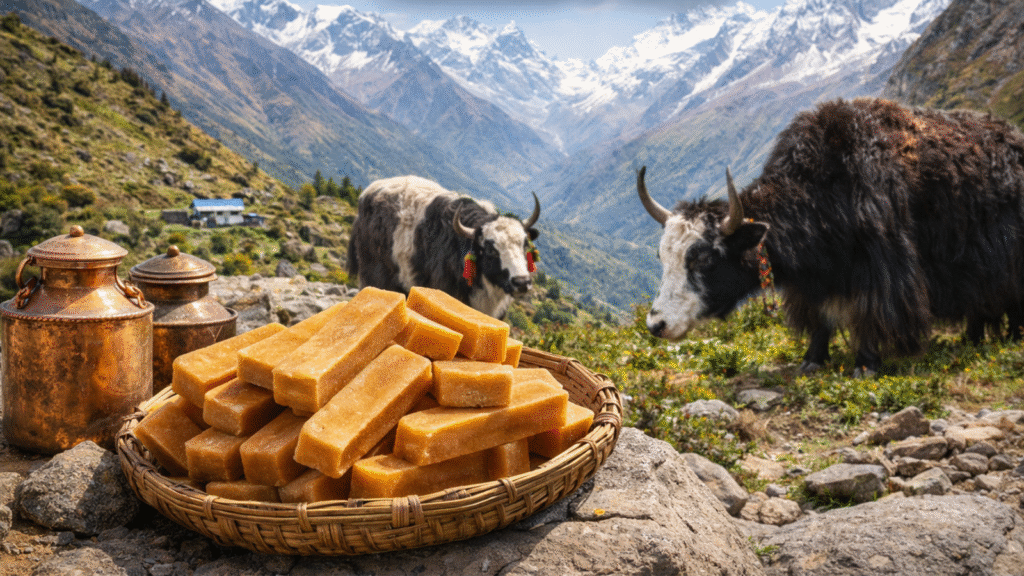
A Himalayan dog chew is a hard, long-lasting cheese-based dog treat made from dried and smoked yak and cow milk. It originates from the Himalayan mountain regions of Nepal, where local herders have produced a similar product, called churpi, for human consumption for centuries.
The transformation from a traditional Nepali snack to a globally beloved dog treat is one of the more interesting stories in the pet industry. Churpi has been part of Himalayan culture for hundreds of years, consumed as a high-protein, shelf-stable food during long mountain treks. When it entered the US pet market in the early 2000s, dog owners quickly discovered that the dense, dried texture made it a near-perfect long-duration chew.
Where Do Himalayan Dog Chews Come From?
Authentic Himalayan dog chews are produced in Nepal, primarily in the Himalayan foothills and mountain valleys, where yaks graze at altitudes between 10,000 and 16,000 feet above sea level. This high-altitude grazing produces milk that is naturally richer in protein and fat than lowland dairy.
The altitude matters more than most buyers realize. Yaks raised at high elevation consume mineral-dense grasses and shrubs unavailable at lower altitudes. Their milk carries a distinct nutrient profile that is reflected in the final chew’s density and durability. At YforYak, we source yak milk directly from herder communities in Nepal’s Himalayan regions, maintaining a direct supply chain that preserves both product quality and traditional livelihoods.
Nepal’s churpi dog-chew export segment was estimated at approximately $22 million in FY2021–22, with more than 30 producers actively supplying global markets. That growth reflects rising global demand, and also highlights why sourcing transparency matters when you’re choosing a brand.
What Are Himalayan Dog Chews Made Of? (The 4-Ingredient Formula)
The ingredient list on an authentic Himalayan dog chew contains 4 items: yak milk, cow milk, lime juice, and salt. Nothing else.
Here’s what each ingredient does:
- Yak milk: provides the primary protein base (casein) and creates the chew’s characteristic density and hardness
- Cow milk: adds additional casein protein and contributes to the finished texture
- Lime juice: acts as the natural acidifying agent that separates the whey from the milk solids, similar to how traditional cheese is made
- Salt: functions as a natural preservative and flavoring agent, extending shelf life without refrigeration
The production process begins with slow-boiling the combined milks, adding lime juice to curdle the mixture, pressing the resulting solids into tight blocks, and then smoking and drying them for weeks. The result is a hard, dense bar that resists crumbling, holds its shape under sustained chewing pressure, and requires no artificial preservatives because the low moisture content and salt do the job naturally.
What a Himalayan chew should never contain: artificial flavors, added sugars, glycerin, wheat, corn, soy, or synthetic preservatives like BHA, BHT, or ethoxyquin. If a label shows any of those, it is not a pure Himalayan chew.
How Are Himalayan Chews Different from Regular Dog Chews?
The table below shows the 6 most meaningful differences between authentic Himalayan yak chews and the most common conventional dog chews available in pet stores:
| Feature | Himalayan Yak Chew | Rawhide | Bully Stick | Synthetic Nylon Chew |
| Ingredients | 4 natural (milk-based) | Processed bovine hide + chemicals | Single-ingredient beef | Synthetic polymers |
| Digestibility | High (fully digestible) | Low (indigestible, choking risk) | High | None (not edible) |
| Chew duration | 1–7+ hours | 30–90 minutes | 20–60 minutes | Indefinite (no consumption) |
| Calories | Moderate (protein-based) | Low | High (fatty) | Zero |
| Odor | Minimal | High odor possible | Moderate to strong odor | None |
| Safety record | Strong | Documented vet concerns | Generally safe | Ingestion risks |
Rawhide remains one of the most commonly purchased dog chews in the United States, yet it carries documented risks: it does not digest properly in a dog’s stomach, can swell internally, and is often treated with chemical bleaching agents. Veterinary consensus increasingly recommends avoiding rawhide in favor of digestible natural alternatives, a category where Himalayan yak chews consistently outperform.
Why Do Dogs Love Himalayan Chews? (Benefits That Matter to Your Dog)
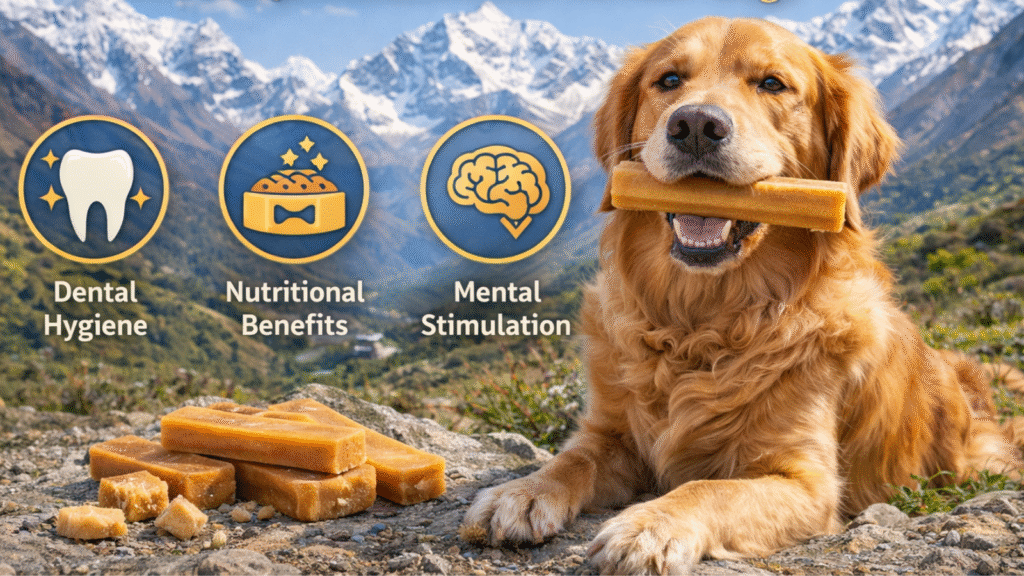
Dogs seek out long-duration chewing for 3 core biological reasons: dental hygiene maintenance, nutritional satisfaction, and mental stimulation. Himalayan yak chews deliver on all 3.
Dental Health Benefits of Yak Chews
Sustained chewing on a hard yak chew mechanically removes plaque and tartar from the tooth surface, particularly along the gum line where bacterial buildup is most common. This abrasive action, produced naturally by the dense cheese texture, replicates the cleaning effect of chewing raw bone, without the fracture risk associated with weight-bearing animal bones.
The American Veterinary Dental College recommends daily tooth brushing as the gold standard for canine dental care. In practical terms, most dog owners do not brush their dog’s teeth daily. Long-duration chews represent the most accessible daily dental care alternative for the majority of dog owners.
Periodontal disease affects an estimated 80% of dogs over age 3, according to veterinary dental data. The mechanical cleaning action of hard chews reduces bacterial load and slows the progression of early-stage periodontal disease. Yak chews are not a substitute for professional dental cleaning, but they are a meaningful preventive tool used consistently.
Nutritional Profile: High Protein, Low Fat
Himalayan yak chews carry a nutritional profile that is rare among long-duration chews: high protein, low fat, and no added carbohydrates.
A standard-size yak chew (approximately 50–80g) delivers:
- Crude protein: 60–67%
- Crude fat: 1–3%
- Moisture: 10–15%
- Ash (minerals): 3–5%
Compare that to a bully stick, which can contain 30–40% fat, or a dental treat, which often contains 40–60% carbohydrates. For dogs on a weight management plan, a high-protein, low-fat yak chew is one of the few long-duration treat options that does not significantly disrupt a controlled caloric intake.
The protein in yak chews comes primarily from casein, the slow-digesting milk protein. This means the chew is digested gradually, which is also why dogs don’t experience the digestive upset that can accompany fat-heavy chews.
Mental Stimulation and Anxiety Relief
Chewing activates the release of serotonin and dopamine in dogs, producing a measurable calming effect that is widely recognized in veterinary behavioral science. This is why dogs often chew destructively when left alone, they are self-regulating stress and boredom.
Himalayan chews are one of the most effective tools for redirecting destructive chewing behavior in young dogs, anxious dogs, and high-energy breeds. A chew that lasts 2–4 hours provides sustained mental engagement during high-stress periods: crate time, thunderstorms, separation, or new environments.
We consistently hear from dog owners that introducing a yak chew during the first week in a new home dramatically reduces anxiety-related behaviors in newly adopted dogs. The combination of long duration, satisfying texture, and edible reward creates a focused, calming loop that synthetic toys simply cannot replicate.
How to Choose the Best Himalayan Dog Chew for Your Dog
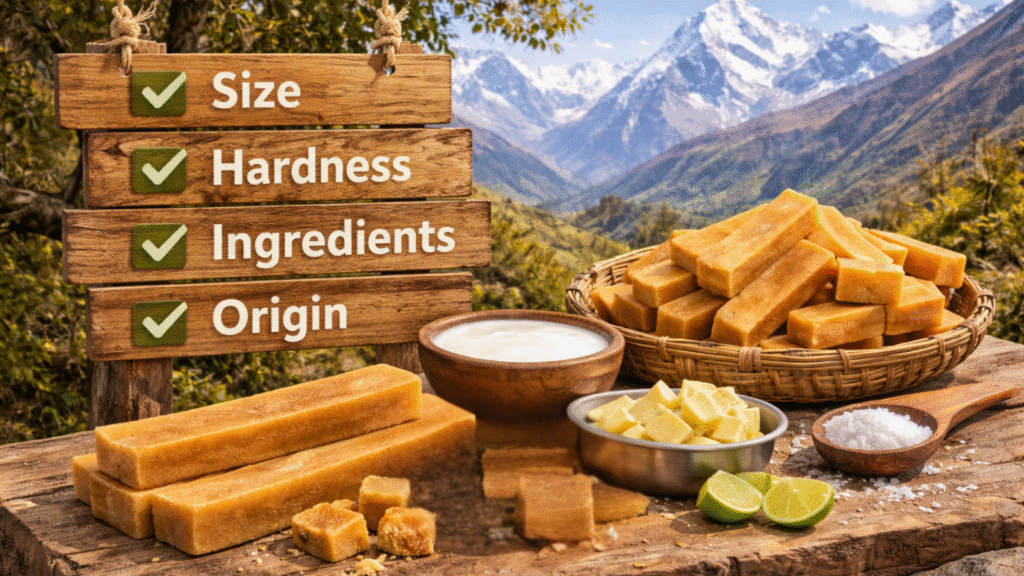
Choosing the right yak chew comes down to 4 variables: size, hardness, ingredient quality, and production origin. Getting any one of these wrong reduces both the chew’s effectiveness and its safety.
Size Matters: Matching Chew Size to Your Dog’s Breed and Weight
The single most common mistake dog owners make is buying a chew that is too small for their dog’s size. A chew that is too small creates an immediate choking hazard. A chew that is too large for a small breed creates jaw fatigue and disinterest.
Use this size guide as your starting framework:
| Dog Size | Weight Range | Recommended Chew Size | Avg. Chew Duration |
| XS / Toy | Under 10 lbs | XS / Petite | 1–2 hours |
| Small | 10–25 lbs | Small | 2–3 hours |
| Medium | 25–55 lbs | Medium | 3–5 hours |
| Large | 55–90 lbs | Large | 4–7 hours |
| XL / Giant | 90+ lbs | XL | 5–8+ hours |
Weight is a reliable starting point, but chewing intensity matters equally. A 35-pound Beagle chews at moderate intensity; a 35-pound Bull Terrier may chew with significantly more force. For power chewers, size up by one category. For senior dogs or gentle chewers, size down or choose a softer formulation.
One practical rule: the chew should be large enough that your dog cannot fit the whole piece in their mouth at once. This forces gnawing rather than gulping, which is both safer and more effective for dental cleaning.
Hardness Levels: How to Match Texture to Your Dog’s Age and Jaw Strength
Himalayan chews range across 3 primary hardness levels, each suited to a different dog profile:
- Standard hard bars: the traditional formulation. Dense, long-lasting, suited to adult dogs with healthy adult teeth. The hardness that initially seems intimidating is what creates lasting chew engagement and the most effective dental abrasion.
- Medium / semi-soft chews: typically a shorter smoking and drying process, producing a slightly more yielding texture. Better suited to older dogs with dental sensitivities, dogs recovering from dental procedures, or dogs transitioning from softer treats.
- Puffed / baked pieces: produced by microwaving the final nub of a standard bar (more on this below), or purchased pre-puffed. These are light, airy, highly digestible, and appropriate for puppies, senior dogs, and dogs with limited jaw strength.
What most guides don’t tell you about hardness: the nail test is the most reliable at-home safety check. Press your thumbnail firmly into the chew’s surface. If it leaves a slight indentation, the hardness is appropriate for most adult dogs. If the surface does not yield at all, the chew may be too hard for dogs prone to tooth fracture, a condition called “slab fracture” that affects the carnassial teeth.
Veterinary dental guidelines recommend against chews harder than the “thumbnail test” threshold. Authentic Himalayan chews made from natural dairy solids generally pass this test; over-processed or overcooked chews can occasionally exceed safe hardness levels.
Ingredient Purity: What to Look for on the Label
The ingredient panel is the single most informative section of any yak chew label. An authentic, high-quality Himalayan dog chew contains 4 ingredients and no others.
Red flags on a Himalayan chew label:
- Glycerin: often added to soften texture and extend shelf life, but unnecessary in a properly cured chew and potentially sourced from unclear origins
- Natural flavors: a broad catch-all term that can include any number of flavor enhancers not visible on the label
- Wheat, corn, or soy: common fillers that reduce protein density and introduce potential allergens
- Artificial colors: serve no functional purpose and indicate a processed product
- “Made in” a country other than Nepal or India: yak milk is produced in Nepal, Bhutan, Tibet, and parts of India; a chew claiming Himalayan origin but manufactured elsewhere warrants skepticism
Certifications to look for: HACCP compliance (Hazard Analysis Critical Control Points, the international food safety standard), FDA-registered facility, and ISO 9001 quality management certification. At YforYak, our facility in Tokha, Kathmandu operates under all three frameworks and exports to more than 20 countries under documented compliance protocols.
Where the Chew Is Made: Why Production Origin Determines Quality
The country and region of manufacture directly affects ingredient quality, animal welfare standards, and production ethics. Not all yak chews are equal, even when labels claim identical ingredients.
Key production quality factors tied to origin:
- Altitude of yak grazing: Higher altitude = richer, more nutrient-dense milk = denser, more protein-rich chew
- Traditional vs. industrial processing: Slow-smoking and extended drying (the traditional Himalayan method) produces a harder, longer-lasting chew than rapid industrial drying
- Quality control infrastructure: ISO and HACCP certification indicates systematic testing at every production stage, not just visual inspection
- Ethical sourcing: Reputable Nepal-based manufacturers partner directly with mountain herder communities, paying fair prices that incentivize sustainable yak husbandry
A chew manufactured in a non-Himalayan country from imported dried milk powder lacks the fresh-milk protein structure that makes authentic Himalayan chews hard, durable, and nutritionally dense. The origin is not just a marketing claim, it is a functional product specification.
What Are the Different Types of Himalayan Dog Chews Available?
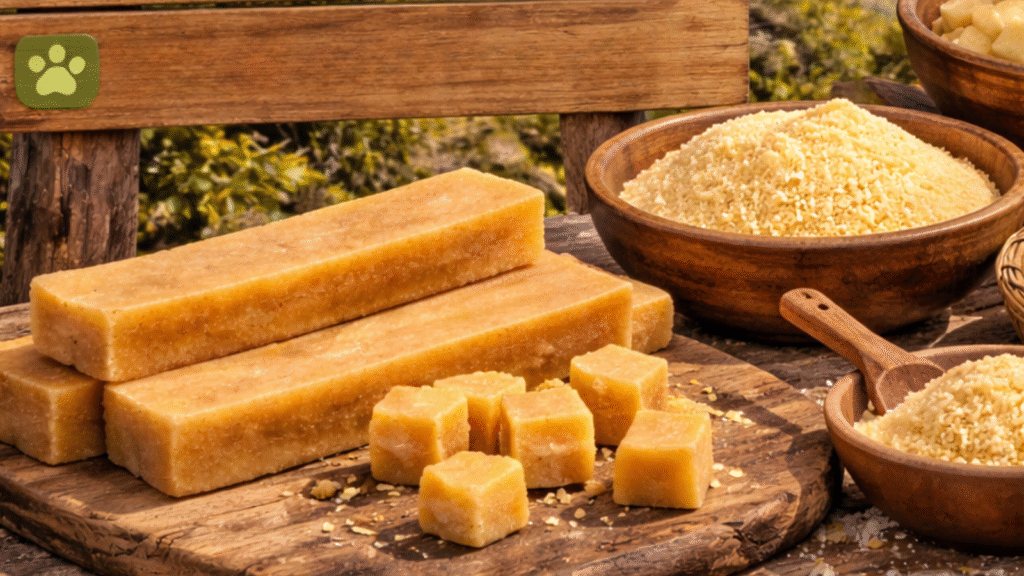
The Himalayan chew category has expanded well beyond the original bar format. Understanding the 4 primary formats helps you select the right product for your dog’s specific needs.
1. Original Yak Cheese Bars
Bars are the classic format and remain the best option for most adult dogs. A bar is a solid rectangular block of smoked, dried yak and cow milk cheese, typically 2–8 inches in length depending on size grade.
Bars deliver the longest chew duration of any format. A medium bar given to a moderate-intensity chewer consistently provides 3–5 hours of engagement over multiple sessions, not a single sitting. Dogs naturally take breaks and return to the chew, which is part of what makes bars valuable as a household management tool.
The bar format also provides the greatest dental benefit because the chewing action on a large flat surface maximizes tooth-to-chew contact along the full gum line.
2. Yak Cheese Nuggets
Nuggets are smaller, irregular pieces of the same formulation as bars, typically produced from off-cuts during bar production. They are portioned for convenience: easier to carry, easier to portion as a training reward, and appropriate for smaller dogs who find a full bar challenging.
Nuggets deliver the same nutritional profile and ingredient quality as bars. The primary trade-off is chew duration, nuggets are consumed faster due to their smaller mass and irregular shape, which offers less sustained resistance.
For multi-dog households, nuggets are often more practical than bars because individual dogs can each receive their own piece without size disparity concerns.
3. Puffed Yak Chews
Puffed yak chews are produced by exposing hard yak cheese to high heat, which causes the dense protein structure to expand into a light, airy puff. The result looks and feels completely different from the original bar but contains identical nutritional content.
Puffed pieces are ideal for:
- Puppies between 8 weeks and 6 months (before full adult dentition)
- Senior dogs with worn or sensitive teeth
- Post-dental procedure recovery, where chewing pressure needs to be minimized
- Small and toy breeds that find standard bars too hard
The most famous application of this technique is the microwave nub trick: when a yak chew bar reaches a piece too small to chew safely (approximately 1–1.5 inches), place it on a microwave-safe plate and microwave on high for 45–60 seconds. The dense nub expands into a large, crunchy puff that your dog can safely consume. This technique eliminates waste entirely and provides an additional treat from every chew, something dogs consistently react to with significant enthusiasm.
Microwave nub instructions:
- Remove the small end piece when it becomes approximately the size of your thumb
- Place flat on a microwave-safe plate
- Microwave on high for 45–60 seconds (times vary by microwave wattage)
- Allow to cool completely for 3–5 minutes before giving to your dog
- Supervise the first time to observe your dog’s response
4. Yak Cheese Powder
Yak cheese powder is a pulverized form of the same smoked milk solids, used as a food topper, training reward enhancer, or palatability booster for dogs that eat kibble. It is not a chew format but is relevant for dogs that resist chewing or for owners who want to add the nutritional benefits of yak protein to a dog’s existing diet.
Powder is also increasingly used to stuff Kong-style enrichment toys, mixed with water to create a paste that freezes into a long-duration licking activity, a useful alternative for dogs with dental conditions that prevent sustained chewing.
Are Himalayan Dog Chews Safe? (Key Safety Questions Answered)
Himalayan yak chews have a strong safety record relative to most dog chew categories. That said, 4 specific safety questions deserve direct, evidence-based answers.
Are Yak Chews Safe for Puppies?
Yak chews in puffed or soft formats are safe for puppies over 8 weeks of age. Standard hard bars are not recommended for puppies under 6 months because puppy deciduous (baby) teeth are not designed for sustained high-pressure chewing and are prone to fracture.
From 6 to 12 months, puppies in the adult teething phase can begin transitioning to medium-hardness bars under supervision. Full adult dentition is typically complete by 7 months in most medium breeds, at which point standard adult chews become appropriate.
The key puppy safety rule: always supervise a puppy with a new chew for the first 3 sessions to assess chewing style, intensity, and whether pieces are being swallowed at appropriate rates.
Can Dogs with Lactose Intolerance Eat Himalayan Yak Chews?
Yes, most dogs with lactose intolerance tolerate Himalayan yak chews without digestive symptoms. This is the most frequently misunderstood aspect of yak chews, and it is worth explaining clearly.
Lactose intolerance is a sensitivity to lactose, the sugar found in fresh dairy milk. During the traditional production of Himalayan yak chews, the curing and drying process removes the vast majority of lactose from the milk solids. What remains in the finished chew is primarily casein protein and milk fat, not lactose.
The actual lactose content of a fully cured Himalayan chew is comparable to that of hard aged cheese (like Parmesan), which most lactose-intolerant humans can consume without issue. Dogs with diagnosed lactose intolerance can typically introduce yak chews without digestive upset.
The exception: dogs with a casein allergy (a true milk protein allergy, distinct from lactose intolerance) should avoid yak chews entirely. Casein allergy in dogs is uncommon but real, presenting as skin reactions, gastrointestinal upset, or ear inflammation following dairy consumption.
Choking Risks: When to Remove the Chew and What to Watch For
The primary safety risk with any hard chew, including yak chews, is swallowing a piece that is too large. The 3 most important safety practices are:
- Remove the chew when it reaches 1–1.5 inches in length. At this size, the piece can fit fully in the mouth and presents an aspiration or intestinal blockage risk. This is when you apply the microwave technique.
- Supervise new chewers. Dogs that are new to hard chews may attempt to swallow pieces aggressively. Supervision during the first 3–5 sessions allows you to observe whether your dog is a methodical gnawer or an ambitious gulper. Gulpers benefit from a larger size grade and more frequent monitoring.
- Monitor for fragments. Authentic yak chews do not splinter like bone or rawhide. They wear down gradually in a controlled manner. However, if you observe sharp fragment pieces breaking off rather than the expected smooth wear pattern, the chew may be overcooked or poorly cured. Remove it and switch to a different batch.
Dental fracture risk is real with any hard chew. Consult your veterinarian if your dog has pre-existing dental disease, has previously experienced tooth fractures, or is a breed prone to dental issues (e.g., Greyhounds, Whippets, or dogs with crowded dentition).
How to Get the Most From Your Himalayan Dog Chew (Care, Storage, and Usage Tips)
A well-chosen yak chew lasts significantly longer when stored correctly and used with the right approach. These 4 practices extend the value of every chew.
How to Store Yak Chews Correctly
Store unused yak chews in a cool, dry location away from direct sunlight and humidity. Himalayan chews are shelf-stable at room temperature for up to 4 years when stored properly, an exceptional shelf life made possible by the low moisture content (10–15%) and natural salt preservation.
Storage mistakes that reduce chew quality:
- Refrigeration: counterintuitive, but cold storage increases surface moisture as the chew warms to room temperature, which can promote surface mold
- Plastic bags (sealed tight): traps any ambient moisture; use paper bags or breathable storage if keeping a partially chewed piece
- Warm, humid environments: bathrooms, near dishwashers, or in cars during summer accelerate moisture absorption
A partially chewed piece can be given back to your dog between sessions. Allow it to dry out between uses for 30–60 minutes at room temperature rather than storing it immediately in a sealed container.
Supervised vs. Unsupervised Chewing: What the Research and Experience Indicate
Direct supervision is recommended for the first 3–5 sessions with any new chew and for all puppies. After establishing that a dog chews methodically, at appropriate pace, and does not attempt to swallow oversized pieces, graduated independence is generally safe.
For dogs left alone during work hours, a yak chew is one of the most appropriate unsupervised enrichment tools available, more so than rawhide (which presents documented unsupervised risks) and most synthetic toys (which do not provide the same duration or nutritional value). That said:
- Always leave a chew that is well above the “remove” threshold in size when unsupervised
- Introduce unsupervised chewing gradually after establishing supervised chewing habits
- Provide fresh water alongside any chew session; hard chew activity increases water intake needs
How Many Chews Per Week Is Appropriate?
For most adult dogs, 3–5 chew sessions per week delivers optimal dental and behavioral benefits without significantly impacting daily caloric balance. Daily chewing is appropriate for dogs with high anxiety, destructive chewing tendencies, or dogs in active dental care protocols, provided caloric contribution from chews is factored into daily food portions.
As a rough caloric reference: a 50g medium yak chew contains approximately 165–185 calories. For a 40-pound dog on a 900-calorie daily diet, a medium chew represents approximately 18–20% of daily calories. Treat and chew calories combined should stay within 10% of daily intake for weight maintenance, a useful benchmark.
Signs of a High-Quality Yak Chew: A Final Buyer’s Checklist
Before you purchase any Himalayan dog chew, use these 7 checkpoints:
- Ingredient panel: 4 ingredients only (yak milk, cow milk, lime juice, salt)
- Country of origin: Nepal or high-altitude Himalayan region explicitly stated
- No artificial additives: No glycerin, no synthetic preservatives, no added flavors
- Size chart provided: Reputable brands publish weight-based size recommendations
- Certifications disclosed: HACCP, FDA-registered facility, or equivalent international food safety standard
- Color consistency: Authentic chews are golden-brown to dark brown; uneven bleached or very pale chews indicate processing shortcuts
- Odor profile: A mild, slightly smoky cheese scent is normal; strong chemical or rancid odors indicate quality problems
Choosing the Best Himalayan Dog Chew: The Bottom Line
The best Himalayan dog chew is not the cheapest one, the most decorative one, or the one with the most impressive front-of-package claims. It is the one that is correctly sized for your dog, made from 4 clean ingredients, produced by a traceable manufacturer with documented food safety standards, and matched to your dog’s age and chewing intensity.
Himalayan yak chews represent one of the most thoughtfully balanced products in the entire dog treat market: long-lasting enough to provide real behavioral and dental value, nutritionally clean enough to fit into a managed diet, safe enough for daily use in most adult dogs, and produced through a traditional method that has proven itself over centuries of use in human nutrition before reaching our dogs’ mouths.
The key decisions are simpler than the market makes them appear:
- Match size to weight, then adjust for chewing intensity
- Verify the 4-ingredient label before purchasing
- Choose puffed format for puppies and seniors
- Apply the microwave nub technique to eliminate waste
- Store in a cool, dry location and remove when below 1.5 inches
At YforYak, we produce Himalayan yak and cow milk chews at our facility in Tokha, Kathmandu, Nepal, sourced directly from high-altitude herder communities and manufactured under ISO 9001, HACCP, and FDA-registered facility standards. Every batch is tested for protein content, moisture, and pathogen safety before export.
What Is a Himalayan Dog Chew Made Of?
A Himalayan dog chew contains 4 ingredients: yak milk, cow milk, lime juice, and salt. No artificial preservatives, fillers, or additives are used in an authentic product. The milk is slow-boiled, curdled with lime juice, pressed into blocks, then smoked and dried for weeks to create the final hard chew.
How Long Does a Himalayan Dog Chew Last?
A medium yak chew typically lasts 3–5 hours of total chewing time spread across multiple sessions for an average adult dog. Chew duration depends on your dog’s size, jaw strength, and chewing intensity, power chewers consume chews faster than moderate chewers. Storing the chew between sessions and allowing it to dry out extends its overall lifespan.
Are Himalayan Dog Chews Safe for Puppies?
Puffed or soft-format yak chews are safe for puppies from 8 weeks of age. Standard hard bars are not recommended for puppies under 6 months because baby teeth are not built for high-pressure sustained chewing. Once full adult dentition is complete, typically by 7 months, most puppies can transition safely to medium-hardness bars under supervision.
Can Dogs with Lactose Intolerance Eat Himalayan Yak Chews?
Yes, most lactose-intolerant dogs tolerate Himalayan yak chews without digestive issues. The traditional curing and drying process removes the vast majority of lactose from the milk solids, leaving primarily casein protein, not lactose, in the finished chew. Dogs with a true casein (milk protein) allergy, however, should avoid yak chews entirely.
What Size Himalayan Chew Is Right for My Dog?
Choose a chew size based on your dog’s weight: XS for dogs under 10 lbs, Small for 10–25 lbs, Medium for 25–55 lbs, Large for 55–90 lbs, and XL for dogs over 90 lbs. Power chewers benefit from sizing up one category to prevent premature consumption. The chew must be large enough that your dog cannot fit the entire piece in their mouth at once.
How Do I Know When to Take Away a Himalayan Dog Chew?
Remove the chew when it reaches approximately 1–1.5 inches in length, at that size, it becomes a swallowing and choking hazard. Do not discard the small end piece; instead, microwave it on high for 45–60 seconds to transform it into a light, puffed treat your dog can safely consume. Always allow the puffed piece to cool completely for 3–5 minutes before giving it back.
How Should I Store a Himalayan Dog Chew?
Store yak chews in a cool, dry location away from direct sunlight and humidity, they remain shelf-stable for up to 4 years under proper conditions. Avoid refrigeration, as temperature changes cause surface moisture buildup that can promote mold. Between sessions, allow a partially chewed piece to air-dry for 30–60 minutes before storing it in a breathable paper bag rather than a sealed plastic container.
Are Himalayan Chews Healthier Than Rawhide?
Yes, Himalayan yak chews are significantly safer and more digestible than rawhide by every major veterinary benchmark. Rawhide does not digest properly in a dog’s stomach, can swell internally, and is often processed with chemical bleaching agents. Yak chews are fully digestible, made from 4 clean natural ingredients, and carry none of the blockage or chemical exposure risks associated with rawhide.
How Many Yak Chews Should I Give My Dog Per Week?
Most adult dogs benefit from 3–5 chew sessions per week to support dental health and behavioral enrichment without disrupting daily caloric balance. A 50g medium chew contains approximately 165–185 calories, which accounts for roughly 18–20% of a 40-pound dog’s daily caloric needs. Count chew calories toward the 10% daily treat allowance and reduce meal portions slightly on heavy chew days.
What Makes an Authentic Himalayan Dog Chew Different from Imitations?
An authentic Himalayan dog chew is produced in Nepal or high-altitude Himalayan regions using fresh yak and cow milk, not reconstituted powder, through traditional slow-smoking and extended drying methods. The finished chew is dense, golden-brown to dark brown in color, and contains 4 ingredients with no glycerin, fillers, or artificial additives. Chews produced outside the Himalayan region from imported dried milk lack the natural protein structure, density, and chew duration of the genuine product.