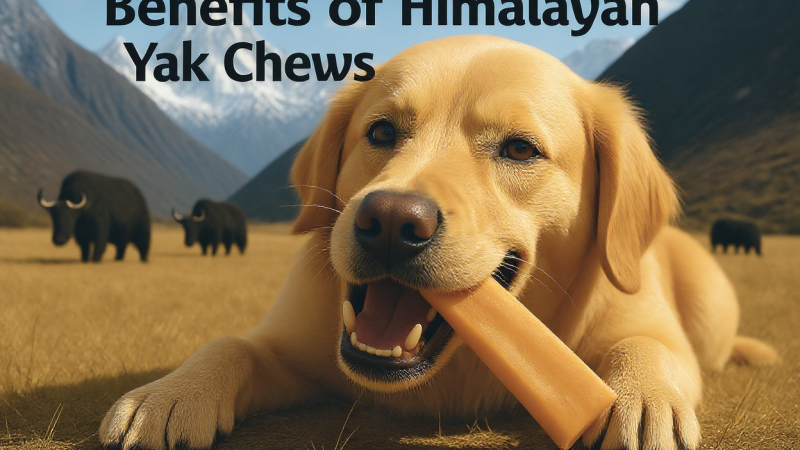
Himalayan Yak Chews, affectionately known as Chhurpi, are a remarkable natural dog treat with a rich history. Originating from the majestic Himalayan regions of Nepal, Tibet, and Bhutan, these chews are a testament to centuries-old traditions. They are crafted from a simple yet powerful combination of yak and cow milk, a touch of salt, and a hint of lime juice. The process involves boiling the milk, curdling it, pressing it into solid blocks, and then drying and smoking them to achieve their characteristic hardness and durability.
What truly sets Himalayan Yak Chews apart is their authenticity and natural composition. Unlike many processed treats, Chhurpi contains no artificial additives, preservatives, or chemicals. This traditional cheese chew, originally a staple food for humans in the Himalayas, has been adapted to become a beloved, long-lasting, and healthy treat that dogs instinctively adore. In this article, we will explore the benefits of Himalayan Yak Dog Chews, focusing on their nutritional, dental, and digestive advantages.
These chews offer essential minerals and vitamins such as calcium, phosphorus, zinc, magnesium, and vitamins A, D, E, and B-complex, along with important amino acids that support overall canine health. They promote dental hygiene by helping clean teeth and exercising jaw muscles during chewing. Additionally, they provide mental stimulation, help relieve anxiety, and are often recommended by veterinarians. Himalayan Yak Chews are also hypoallergenic and easy to digest, made from 100% natural ingredients with low lactose content, making them suitable for sensitive dogs. Their low-fat and calorie content makes them a healthy treat option for weight-conscious pets.
Nutritional & Health Benefits
High Protein and Nutrients
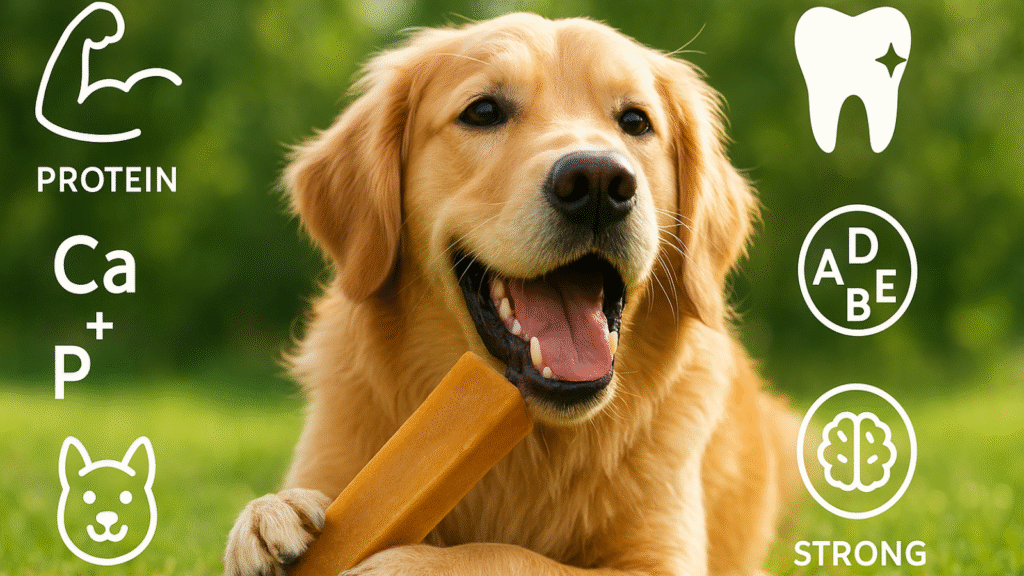
Himalayan Yak Chews are a powerhouse of nutrition, making them an excellent addition to your dog’s diet. Himalayan Yak Chews deliver approximately 53–60% crude protein by weight, a nutritional profile that supports more than just muscle development. According to a Purdue University Extension: Preventing Periodontal Disease in Dogs PDF, protein levels of 16–35% are the recommended range for oral health maintenance in dogs, and protein deficiency has been linked to periodontal tissue degeneration, making the protein richness of these chews especially relevant for dental health. This significant protein content is crucial for supporting your dog’s muscle development, providing sustained energy, and bolstering their immune system, helping them stay strong and healthy.
Beyond protein, these chews are brimming with essential minerals and vitamins vital for overall canine well-being:
- Calcium and Phosphorus: These minerals work in tandem to support strong bones and healthy teeth, contributing to your dog’s skeletal integrity.
- Essential Amino Acids: These building blocks of protein are vital for tissue repair, growth, and numerous bodily functions, ensuring your dog’s systems operate efficiently.
- Vitamins and Minerals (A, D, E, B’s, Zinc, Magnesium, etc.): A broad spectrum of vitamins and minerals contributes to a healthy coat, sharp vision, robust immune function, and optimal metabolic processes, ensuring your dog thrives from nose to tail.
Dental Health & Chewing Benefits
One of the most celebrated advantages of Himalayan Yak Chews is their remarkable contribution to your dog’s dental health. The hard, dense texture of these chews acts like a natural toothbrush, effectively scraping away plaque and tartar buildup as your dog gnaws. This mechanical action helps promote healthier gums and leads to noticeably fresher breath.
But the benefits extend beyond just cleaning:
- Jaw Muscle Exercise: The sustained chewing required for yak chews provides an excellent workout for your dog’s jaw muscles, keeping them strong and agile.
- Mental Stimulation & Anxiety Relief: Chewing is a natural and instinctual behavior for dogs. Providing a durable chew like a yak stick offers significant mental stimulation, helps alleviate boredom, and can reduce anxiety, making for a calmer and happier canine companion.
- Veterinarian Recommended: Many veterinarians support the use of long-lasting chews for dental maintenance. When evaluating any chew, the gold standard benchmark is the Veterinary Oral Health Council (VOHC) accepted products list, which awards acceptance only to products showing a statistically significant minimum 15–20% reduction in plaque or tartar in controlled trials.
Hypoallergenic & Digestibility
For dog owners concerned about allergies or sensitive stomachs, Himalayan Yak Chews offer a fantastic solution. They are crafted with purity in mind, ensuring a treat that’s gentle on your dog’s digestive system:
- 100% Natural Ingredients: Made solely from yak/cow milk, salt, and lime juice, these chews are free from artificial preservatives, chemicals, and binders, minimizing the risk of adverse reactions.
- Low Lactose Content: During the traditional crafting process, most of the lactose is virtually removed, making these chews suitable even for many dogs with dairy sensitivities.
- Allergen-Friendly: They are naturally gluten-free, grain-free, corn-free, and soy-free, addressing common dietary sensitivities and making them an excellent hypoallergenic dog chew option.
- Low Fat and Calories: With their naturally low-fat and calorie content, these chews are a smart choice for dogs on weight-management diets or those prone to weight gain, offering a satisfying chew without excessive calories.
Potential Risks & Mitigation
While Himalayan Yak Chews offer numerous benefits, responsible pet ownership means understanding and mitigating potential risks.
Choking & Digestive Risks
Like any hard chew, there’s a possibility of choking or digestive obstruction if not used properly:
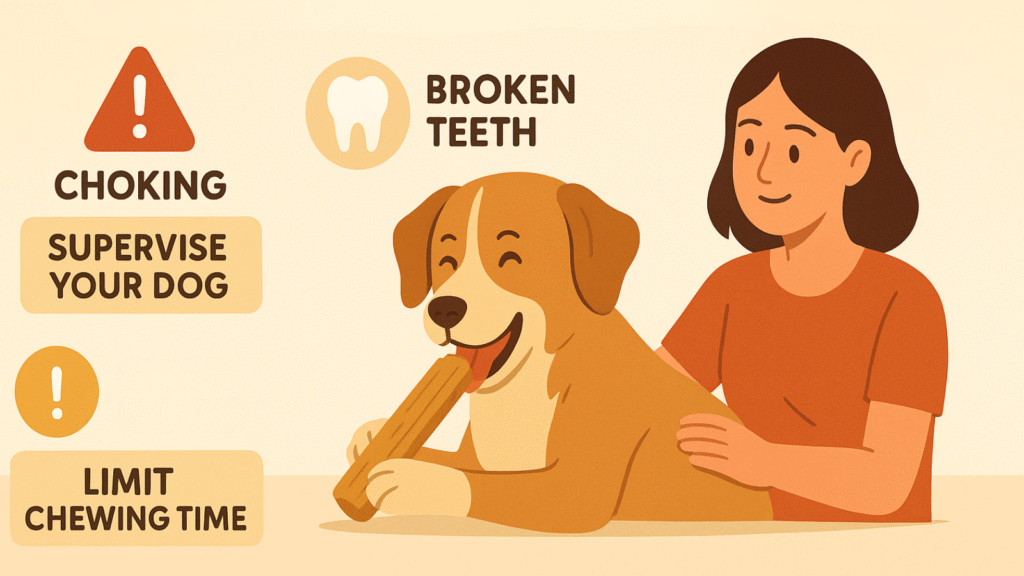
- Supervision is Key: Always supervise your dog while they are enjoying a yak chew. If your dog manages to break off a large chunk, remove it promptly to prevent choking or intestinal blockage.
- Appropriate Sizing: Ensure the chew size is suitable for your dog’s breed and chewing style. A chew that is too small increases the risk of being swallowed whole, while one that is too large might be difficult for smaller dogs to manage.
Broken Teeth & Dental Injury
The very hardness that makes yak chews long-lasting can also pose a risk to your dog’s teeth:
- Monitor Aggressive Chewers: Veterinarians caution that extremely aggressive chewers can potentially crack or break teeth on very hard chews like yak sticks.
- Limit Chewing Time & Monitor Wear: Consider limiting chewing sessions for very enthusiastic chewers. Regularly inspect the chew for any sharp edges that may develop or if it becomes too small to safely chew. Replace the chew if it poses a risk.
Other Health Considerations
- Dairy Sensitivity: Although the lactose content is low, some dogs with a history of severe gastrointestinal issues or dairy allergies might still be sensitive. Introduce Chhurpi slowly and monitor your dog for any signs of discomfort.
- Calorie Density: Despite being low in fat, yak chews are calorie-dense due to their high protein content. They should be used as occasional treats a few times a week rather than a daily staple to ensure a balanced diet and prevent excessive calorie intake.
Suitability for Different Breeds & Sizes
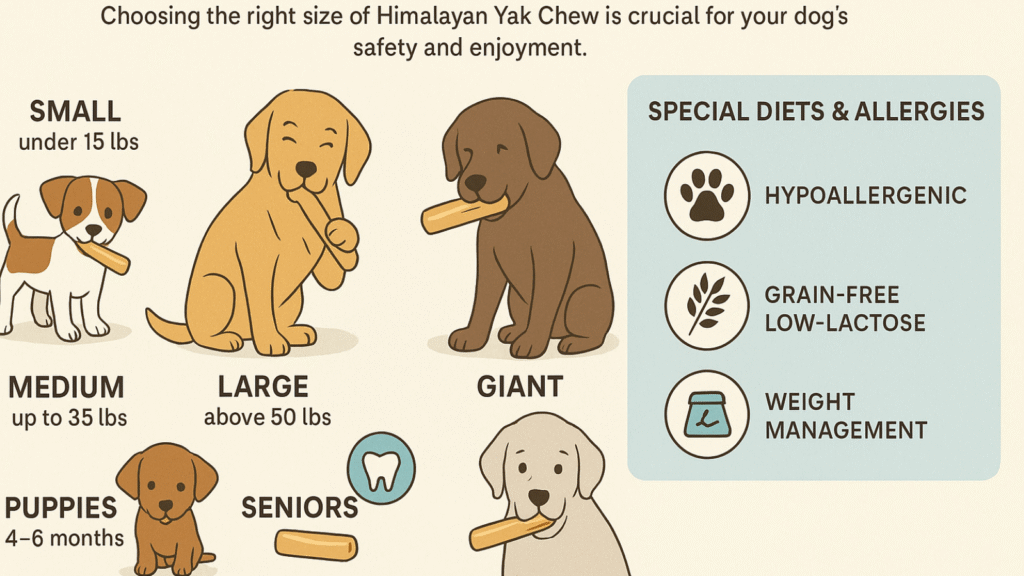
Choosing the right size of Himalayan Yak Chew is crucial for your dog’s safety and enjoyment.
Small vs. Large Breeds
Manufacturers offer yak chews in various sizes (small, medium, large, XL) to accommodate different dog weights and breeds:
- Small Breeds (e.g., under 15 lbs): Opt for appropriately sized small chews. Always supervise closely to ensure they don’t try to swallow pieces too large for them.
- Medium Breeds (e.g., up to 35 lbs): Medium-sized chews are generally suitable.
- Large/Giant Breeds: Larger yak sticks provide a substantial and durable chewing challenge, offering extended engagement and greater safety by being too big to swallow quickly. Always choose a chew that is too big for your dog to swallow whole.
Puppies and Seniors
- Puppies: It’s generally recommended to wait until puppies are around 4–6 months old and have developed their adult teeth before introducing hard chews like yak sticks. Puppy teeth are softer and more prone to breakage on very hard chews.
- Seniors: Older dogs can certainly benefit from the mental engagement and dental benefits of chewing. However, monitor their dental health closely. If your senior dog has weak or compromised teeth, consider softer alternatives to prevent dental injury.
Special Diets & Allergies
Himalayan Yak Chews shine when it comes to accommodating special dietary needs:
- Hypoallergenic Advantage: Their grain-free and naturally low-lactose formula makes them an excellent choice for dogs with common food sensitivities or allergies, helping to avoid digestive upset or skin reactions.
- Weight Management: Being low in fat and calories (when given in moderation), they are a good option for dogs prone to weight gain, providing a satisfying chew without contributing excessively to their caloric intake.
Comparison with Other Chew Types
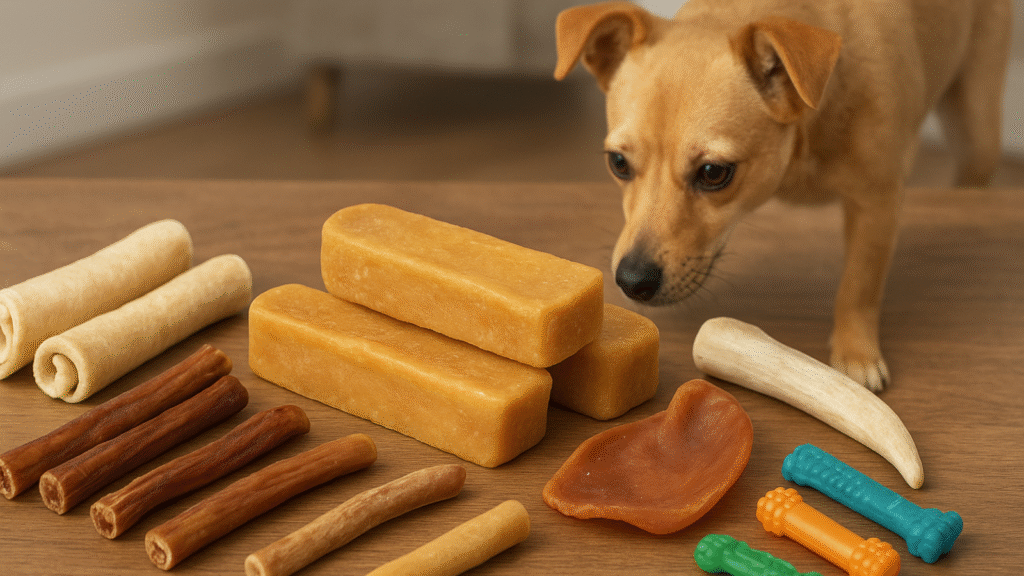
Understanding how Himalayan Yak Chews stack up against other popular chew options can help you make the best choice for your canine companion.
Himalayan Yak Chews vs Rawhide
When comparing these two, Himalayan Yak Chews emerge as a superior and safer alternative:
- Digestibility & Chemicals: Yak chews are fully digestible and made with minimal, natural ingredients, free from preservatives and harsh chemicals often found in rawhide. Unlike rawhide, which is frequently treated with chemical preservatives and can cause dangerous gastrointestinal blockages if large pieces are swallowed, Himalayan Yak Chews break down into digestible particles. For more on monitoring your dog’s dental health and safe chewing practices, see the USDA APHIS: Preventive Care for Periodontal Disease in Dogs PDF.
- Safety: Rawhide fragments can swell and create dangerous gastrointestinal obstructions. The USDA APHIS Canine Periodontal Disease Aid, official federal PDF highlights how untreated plaque and tartar buildup can cause serious, progressive oral disease, making the choice of safe, digestible chews especially critical for long-term canine health.
Yak Chews vs Bully Sticks
Both are natural protein chews, but they offer different benefits:
- Texture & Durability: Bully sticks (made from beef pizzle) tend to soften as dogs chew them and are generally easy to digest. Yak chews, on the other hand, maintain their hardness for a much longer period, lasting significantly longer than bully sticks.
- Cleanliness & Odor: Yak chews are virtually odorless and leave no greasy residue, making them a cleaner option for indoor chewing. Bully sticks can have a distinct odor and may leave a residue.
- Calorie & Fat Content: Bully sticks are typically lower in calories and fat, making them suitable for quick rewards or for dogs needing strict calorie control. Yak chews, while not excessively high in fat, are more calorie-dense and are best for longer, more satisfying chewing sessions. Both should always be size-appropriate to prevent choking hazards.
Yak Chews vs Antlers & Others
- Antlers (Deer/Elk): While antlers are incredibly durable, they pose a genuine risk of slab fracture, a painful split of the large carnassial teeth that often requires extraction. As noted by the Cornell University College of Veterinary Medicine: Periodontal Disease resource, hard objects that cannot be bent or indented are generally considered too hard for safe chewing by dogs. Yak chews, though hard, offer a slight yielding quality, especially when prepared (as discussed below), making them a comparatively safer option for dental health.
- Synthetic Chews/Nylon Toys: These offer no nutritional value. If ingested, fragments can be hazardous and cause internal damage. Yak chews, being natural and digestible, are a healthier alternative.
- Pig Ears & Rawhide Alternatives: Compared to these, yak chews are generally cleaner (no strong smell or greasiness) and more digestible.
- Dental Chews (FDA-backed treats): While many commercial dental chews are softer and designed for specific dental benefits, they often don’t last as long as yak chews. Himalayan Yak Chews uniquely combine effective dental scraping action with high protein nourishment, offering a dual benefit.
How to Use Himalayan Yak Chews Safely

Ensuring your dog enjoys their Himalayan Yak Chew safely is paramount.
- Always Supervise: Never leave your dog unattended with a chew. Give the chew in a designated area, such as a hard floor, and regularly check on your dog’s progress and the state of the chew.
Preparation & Microwaving
One of the unique advantages of Himalayan Yak Chews is their ability to be repurposed when they get too small. This “puffing” trick extends the chew’s life and creates a fresh, crunchy snack:
- Soak: When the yak chew has been gnawed down to a small nub (about 1-2 inches), soak it in warm water for approximately 5 minutes.
- Microwave: Place the soaked nub on a microwave-safe plate and microwave it for 30–60 seconds. It will puff up significantly, becoming light and airy.
- Cool: Allow the puffed treat to cool completely before offering it back to your dog. It will transform into a crunchy, new treat that’s easy to chew and digest.
Storage Tips
Proper storage helps maintain the quality and longevity of your yak chews:
- Cool, Dry Place: Store yak chews in a cool, dry place, such as a pantry or cupboard, away from direct sunlight and humidity. This prevents mold growth and preserves their texture.
- Avoid Moisture & Heat: Do not refrigerate or freeze chews, as humidity can spoil them or alter their texture negatively.
- Ventilated Storage: For leftover or opened chews, store them in a ventilated container or a breathable bag (not airtight) to allow for airflow and prevent moisture buildup.
Feeding Guidelines
- Treat, Don’t Feed: Himalayan Yak Chews are a treat and a supplement, not a meal replacement. Offer them as a reward or for enrichment, balancing them with your dog’s regular diet.
- Fresh Water: Always ensure fresh drinking water is readily available for your dog during chewing sessions.
- Remove Small Pieces: Remove the chew when it becomes small enough to be swallowed whole to prevent choking. For smaller dogs, consider giving them smaller portions of a larger chew initially.
Sourcing, Ethical Practices & Top Brands
Understanding the origin and ethical practices behind Himalayan Yak Chews can enhance your appreciation for this unique product.
Origin & Production
Authentic Himalayan Yak Chews originate from the pristine Himalayan regions of Nepal, Tibet, and Bhutan. They are deeply rooted in the centuries-old Churpi tradition, where this hard cheese was originally made for human consumption. Quality chews are produced by small, local farms, often utilizing milk from grass-fed yaks and cows. The production adheres to traditional methods: boiling the milk, curdling it, pressing it into blocks, and then drying and smoking them to perfection.
Ethical Sourcing
Many reputable brands prioritize ethical sourcing, partnering directly with local communities in the Himalayas. This approach supports the livelihoods of traditional farmers and promotes sustainable practices. For instance, some brands, like Himalayan Pet Supply, even contribute to community development, such as donating school textbooks for every pound of chew sold, demonstrating a commitment to social responsibility.
Frequently Asked Questions (FAQs)
Are yak chews safe for puppies?
Himalayan Yak Chews are generally safe for older puppies, typically those around 4–6 months or older, who have developed their adult teeth. Always supervise closely when introducing any new chew to a puppy.
Can I give my dog a yak chew daily?
Due to their high protein and calorie content, it’s generally recommended to offer yak chews a few times a week rather than daily. This helps balance them with your dog’s regular diet and prevents excessive calorie intake.
What if my dog splinters a yak chew?
If your dog manages to splinter a yak chew and sharp pieces break off, remove them immediately to prevent choking or injury. Always ensure you’re giving appropriately sized chews to minimize the risk of splitting.
How long do these chews last?
The longevity of a Himalayan Yak Chew varies significantly depending on your dog’s size, breed, and individual chewing style. They can last anywhere from a few hours for aggressive chewers to several weeks for more moderate chewers. Rotating different types of chews can also add variety for your dog.
Any alternatives for aggressive chewers?
While Himalayan Yak Chews are suitable for many hard chewers, some extremely aggressive dogs might still benefit from other options. Consider split antlers, marrow bones (always under strict supervision due to potential for splintering), or specially engineered durable chews. The most important rule is to always supervise your dog with any chewing.
Conclusion
Himalayan Yak Dog Chews stand out as a truly exceptional natural treat, offering a wealth of benefits for your beloved canine companion. They are a natural, protein-rich, and remarkably long-lasting option that not only satisfies your dog’s innate desire to chew but also actively supports their dental health and provides valuable nutritional benefits. By embracing the safety tips – choosing the right size, ensuring constant supervision, and utilizing the clever microwave puffing trick – you can maximize your dog’s enjoyment and the benefits derived from these unique chews.
Ready to give your dog the healthy, Himalayan chewing experience they deserve? Book your meeting with our pet care experts today or visit us and treat your dog to the ultimate yak chew!