
Yak chews are hardened Himalayan dairy chews made from yak milk and cow milk, formulated as long-lasting natural chew toys for puppies with fully erupted adult teeth. Durable, protein-rich yak chews provide approximately 35% protein per 100 grams with low caloric density of 35–45 calories per ounce, making them nutritionally efficient compared to many alternatives.
Compared with bully sticks, antlers, rawhide, dental chews, and synthetic rubber toys, yak chews combine digestibility, extended chewing duration, and controlled hardness that passes the veterinary-recommended thumbnail yield test for dogs over 6 months. Medium-hard Himalayan cheese chews mechanically scrape plaque, reduce destructive chewing behavior, and contain no artificial preservatives or chemical binders. For puppy owners evaluating safety, durability, and dental benefit in one natural chew category, yak chews rank highest across combined performance criteria.
Why Do Puppies Need Natural Chew Toys?
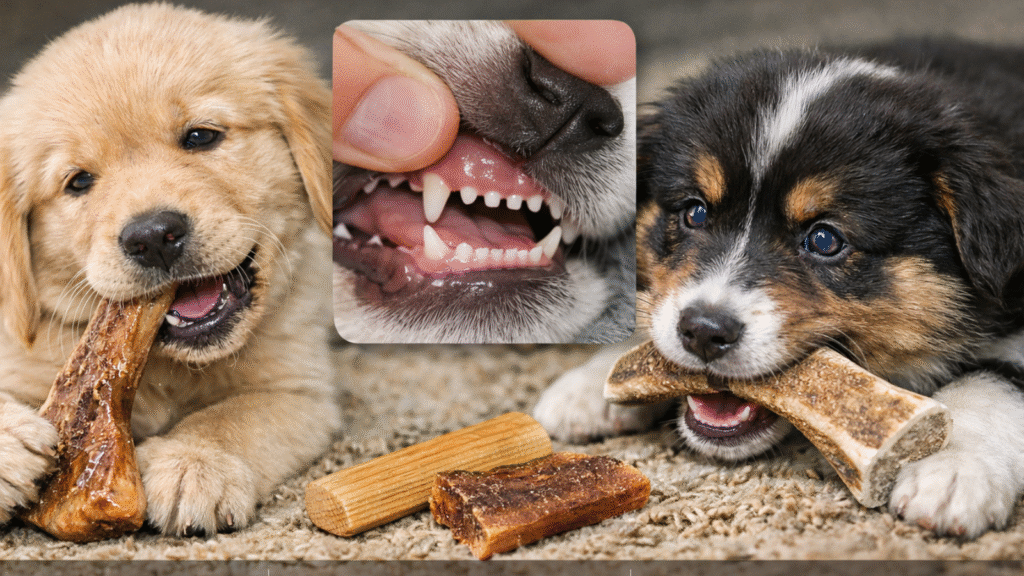
Natural chew toys satisfy 3 core puppy needs: teething relief, dental hygiene, and behavioral enrichment. Puppies begin teething at 3 weeks and complete adult tooth eruption by 6 months. During this period, chewing is a biological drive, not a bad habit.
What Happens to Puppies Without Proper Chewing Outlets?
Puppies without appropriate chewing outlets redirect the behavior onto furniture, shoes, and baseboards. Providing a designated natural chew toy reduces this behavior by giving the puppy a sanctioned, satisfying outlet.
Natural chews also stimulate saliva production. Saliva contains enzymes that neutralize oral bacteria, reducing plaque accumulation between brushing sessions.
How Chewing Supports Puppy Dental Development
Chewing mechanical action scrapes plaque from tooth surfaces. The Cornell University College of Veterinary Medicine reports that 80% of dogs show signs of periodontal disease by age 3. Daily chewing with an appropriately hard chew toy delays plaque calcification into tartar.
Chewing also strengthens the masseter and temporalis jaw muscles. Stronger jaw muscles improve bite force development in growing puppies, which supports proper skull and dental arch formation.
What Makes a Chew Toy “Natural”?
A natural chew toy contains ingredients derived entirely from animal or plant sources, with zero synthetic binders, artificial preservatives, or chemical softeners. The 3 defining qualities of a natural chew are:
- Single-ingredient or minimal-ingredient composition: the label lists one primary protein source
- No chemical processing: the chew is dried, smoked, or air-cured rather than bleached or chemically treated
- Digestible material: the chew breaks down safely if a piece is swallowed
Rawhide is animal-derived and can be considered natural in origin, though processing methods vary and may affect safety and digestibility. Yak chews meet all three.
What Are Yak Chews and Why Are They Different?
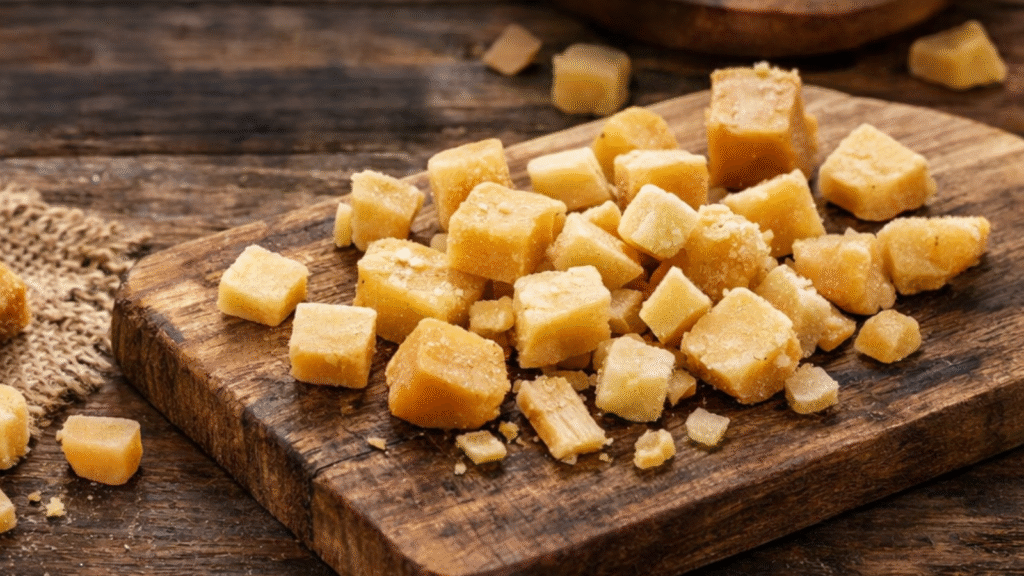
Yak chews are hardened dairy chews made from yak and cow milk sourced from the Himalayan highlands of Nepal, Tibet, and Bhutan. The 4 ingredients in authentic yak chews are yak milk, cow milk, lime juice, and salt. No additives, no preservatives, and no artificial ingredients are used.
The product is classified as a Himalayan cheese chew in the pet industry. Yak chews began being imported to the U.S. around 2007 under standard USDA/APHIS import regulations.
How Are Yak Chews Made?
Yak chews are produced through a 4-stage traditional Himalayan process:
- Boiling: Yak and cow milk are boiled together to concentrate protein and reduce moisture content
- Curdling: Lime juice is added to separate curds from whey, yielding a dense cheese mass
- Pressing: The curd is pressed into molds under heavy weight for 2 to 4 weeks to expel remaining moisture
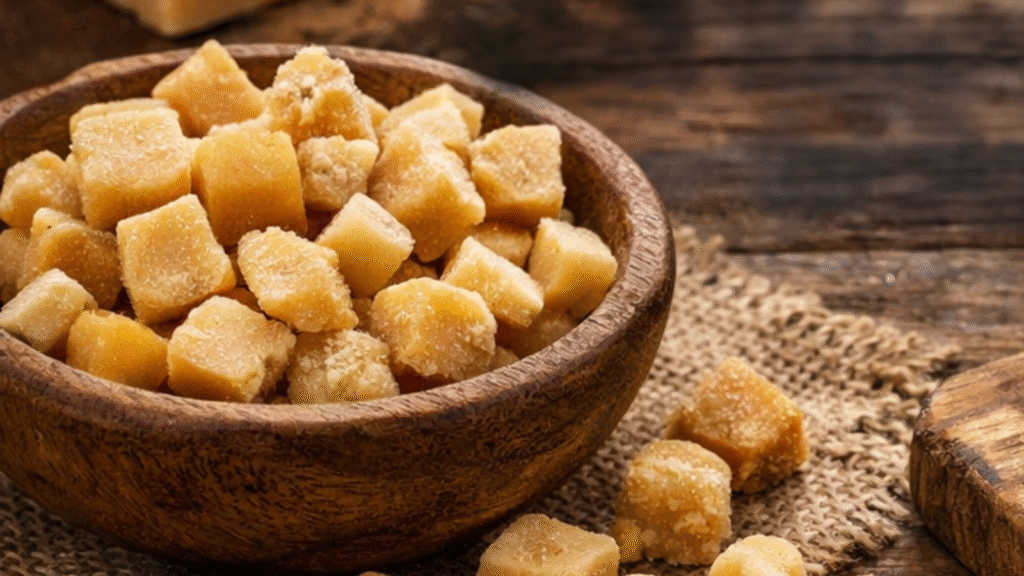
- Smoking or drying: The pressed blocks are smoked or naturally dried for 4 to 6 weeks, hardening the final product
This process produces a chew with moisture content below 15%, which gives yak chews their characteristic rock-hard density. The low moisture content also eliminates the need for synthetic preservatives.
What Nutritional Value Do Yak Chews Provide?
A standard 100-gram yak chew delivers approximately 35 grams of protein, 5 grams of fat, and 350 milligrams of calcium. These values vary by brand, but authentic Himalayan chews consistently rank among the highest-protein chew options available.
The protein content supports muscle development in growing puppies. The calcium content contributes to bone density during the critical skeletal growth window between 8 weeks and 12 months. The fat content is low enough to prevent digestive upset in puppies with sensitive stomachs.
Are Yak Chews Safe for Puppies?
Yak chews are safe for puppies with fully erupted adult teeth, typically from 6 months of age onward. Puppies under 6 months retain deciduous teeth that are structurally weaker than adult teeth. Hard chews given before 6 months risk tooth fracture.
The “knee cap test” is the standard hardness assessment recommended by veterinary dental specialists. Press your thumbnail firmly into the chew surface. A safe chew yields slight indentation. A chew that does not yield at all is too hard for any dog.
Authentic yak chews with appropriate hardness ratings pass the thumbnail test, making them safe for puppies 6 months and older when the correct size is selected.
What Sizes and Hardness Levels Are Right for Your Puppy?
Yak chews are sold in 4 standard size categories:
| Size | Target Weight | Recommended Age |
| XS (Small) | Under 15 lbs | 6–12 months, small breeds |
| S (Small-Medium) | 15–35 lbs | 6–12 months, medium breeds |
| M (Medium) | 35–55 lbs | 6+ months, medium-large breeds |
| L (Large) | 55–85 lbs | 6+ months, large breeds |
Puppies weighing over 85 lbs require XL chews to prevent gulping or attempting to swallow large portions whole.
How Do Yak Chews Compare to Other Natural Chew Options?
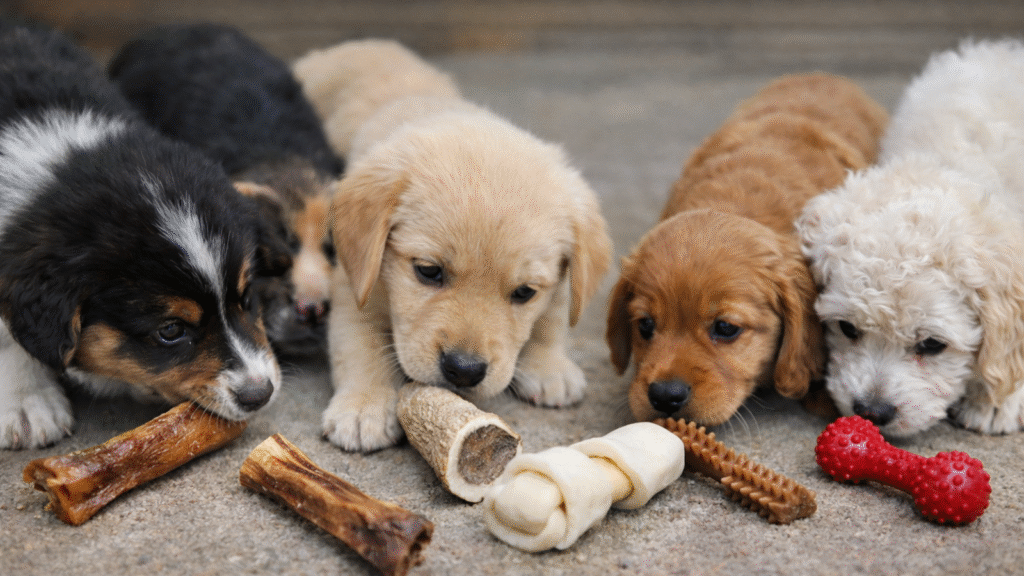
The 5 most common natural chew alternatives to yak chews are bully sticks, antlers, rawhide, dental chews, and natural rubber chews. Each differs in durability, digestibility, nutritional profile, and safety risk.
Yak Chews vs Bully Sticks: Which Lasts Longer?
Bully sticks are single-ingredient beef pizzle chews that are highly digestible and safe for puppies. The primary disadvantage of bully sticks compared to yak chews is durability gap: the average puppy consumes a standard bully stick in 15 to 30 minutes, while a same-size yak chew lasts 45 minutes to 2 hours.
Bully sticks contain 80 to 90 calories per ounce, which is significantly higher than the 35 to 45 calories per ounce in yak chews. Frequent bully stick use in puppies with caloric-dense diets contributes to weight gain.
Bully sticks do soften and become a choking hazard at the stub end. Yak chews may soften slightly with saliva and can splinter or break into chunks depending on chewing force.
Choose bully sticks for puppies under 6 months who lack adult dentition. Choose yak chews for puppies 6 months and older who need longer-lasting engagement.
Yak Chews vs Antlers: Which Is Safer for Puppy Teeth?
Antlers are shed deer or elk antler pieces. They are natural, odor-free, and extremely long-lasting. The critical safety concern with antlers is slab fracture risk. Antlers are denser than yak chews and do not yield on the thumbnail test, placing them in the “too hard” category per the Veterinary Oral Health Council.
Veterinary dental experts warn that very hard chews (e.g., antlers, bones, nylon) can cause tooth fractures, but VOHC does not publish fracture-risk rankings of specific chew types.. Slab fractures of the carnassial teeth (upper fourth premolars) are the most common chew-related dental injury in dogs, requiring extraction or root canal therapy.
Yak chews yield slightly under pressure, which allows controlled abrasion without fracture risk. Antlers are generally discouraged for aggressive chewers and puppies due to tooth fracture risk, but they are not officially banned for all dogs. Yak chews are the safer alternative for dogs who need durable, long-lasting chewing.
Yak Chews vs Rawhide: Which Is Healthier?
Rawhide is the inner hide layer of cattle processed with chemical solutions including hydrogen peroxide, bleach, and sodium sulfide to remove hair and sanitize the surface. Rawhide is not a natural chew by ingredient or processing standards.
The 3 primary risks of rawhide for puppies are:
- Chemical contamination, processing residues remain in the final product at variable concentrations
- Non-digestibility, rawhide does not break down in stomach acid and can form gelatinous masses that cause gastrointestinal obstruction
- Salmonella contamination, the FDA issued warnings in 2017 regarding Salmonella and Listeria contamination in rawhide products
Yak chews carry none of these risks. They are chemically unprocessed, digestible, and tested for pathogen contamination under USDA import standards.Yak chews are partially digestible but should still be supervised due to choking and large-piece ingestion risks. Veterinarians and canine nutritionists unanimously prefer yak chews over rawhide for puppies.
Yak Chews vs Rubber Chew Toys: Natural vs Synthetic
Natural rubber chews (such as Kong brand products) are non-toxic, durable, and suitable for puppies from 8 weeks onward. They do not carry digestive risks because dogs rarely ingest pieces. The primary limitation is that rubber chews provide no nutritional value and do not replicate the chewing satisfaction of a protein-based chew.
Yak chews engage the chewing drive more completely than rubber chews because they have odor, flavor, and a consumable surface that degrades incrementally. Dogs exhibit longer sustained engagement with consumable chews than with rubber toys. A 2019 University of Bristol study on canine enrichment found that food-based chews produced 40% longer engagement duration than non-consumable chew toys.
Use rubber chew toys as teething aids for puppies under 6 months. Use yak chews as the primary chewing activity for puppies 6 months and older.
Yak Chews vs Dental Chews: Which Cleans Teeth Better?
Dental chews (such as Greenies and Whimzees) are formulated specifically for plaque and tartar reduction. The Veterinary Oral Health Council awards its seal of acceptance to dental chews proven to reduce plaque or tartar by at least 10%.
Dental chews are soft to medium hardness, consumed quickly, and contain multiple ingredients including starches, sugars, and artificial coloring in some brands. They are effective at mechanical plaque removal but provide limited chewing duration.
Yak chews may provide mechanical abrasion, but only VOHC-approved dental chews have clinical evidence of plaque and tartar reduction. The extended chewing time with yak chews generates more cumulative plaque removal per session than the 5 to 10 minutes required to consume a dental chew.
For maximum dental hygiene, combine yak chew sessions 3 to 4 times per week with daily toothbrushing using enzymatic dog toothpaste.
How to Choose the Right Yak Chew for Your Puppy’s Age and Breed
Selecting the correct yak chew requires matching 3 variables: the puppy’s body weight, breed size category, and chewing intensity. A chew that is too small for the dog’s jaw width is a choking hazard. A chew that is too hard for the puppy’s dental maturity causes tooth fracture.
Best Yak Chews for Small Breed Puppies (Under 20 lbs)
Small breed puppies, including Chihuahuas, Yorkshire Terriers, Shih Tzus, and Pomeranians, have narrower jaw widths and smaller molars than medium and large breed puppies. XS yak chews (typically 0.5 to 1 oz) are the correct size category.
Small breed puppies also have proportionally higher metabolic rates. Yak chews’ low caloric density (35–45 calories per oz) makes them weight-appropriate as daily chews even for small breeds on structured diet plans.
Supervise small breed puppies during the final 2 inches of yak chew consumption. As the chew shortens, gulping risk increases. Remove the stub and microwave it for 30 to 45 seconds to puff it into a digestible yak cheese puff, a safe way to use the entire product.
Best Yak Chews for Large Breed Puppies (Over 50 lbs)
Large breed puppies, including Labrador Retrievers, German Shepherds, Golden Retrievers, and Rottweilers, are aggressive chewers with high bite force even at 6 months. L or XL yak chews (3 to 6 oz) prevent the rapid size reduction that turns smaller chews into choking hazards with large-jaw breeds.
Large breed puppies grow until 18 to 24 months. Their joint and bone development requires careful caloric management during growth phases. Yak chews deliver protein and calcium without excess fat or calories, making them a nutritionally appropriate daily chew throughout the large-breed growth period.
How Old Does a Puppy Need to Be for Yak Chews?
Puppies require fully erupted adult teeth before starting yak chews. Adult tooth eruption completes between 4 and 7 months depending on breed. Veterinarians confirm adult dentition completion during the 6-month wellness examination.
The minimum recommended starting age is 6 months for medium and large breeds and 7 months for toy and small breeds, whose adult teeth complete eruption later.
Under 6 months, use soft bully sticks, natural rubber chews, or frozen carrots as teething-safe alternatives.
4 Safety Rules Every Dog Owner Must Follow with Yak Chews
Follow these 4 rules every time your puppy chews:
- Supervise every session: never leave a puppy unsupervised with any chew, including yak chews
- Remove stubs under 2 inches: microwave stubs at high power for 45 seconds, cool completely, and offer as a puffed treat
- One chew session per day, maximum 30 minutes: extended continuous chewing strains jaw muscles and wears enamel
- Discard cracked or sharp-edged pieces: inspect the chew surface before each session and discard pieces with angular fracture edges
What Do Veterinarians Say About Yak Chews for Puppies?
Some veterinarians consider yak chews safer than rawhide, but many veterinary dentists caution that any hard chew can fracture teeth. The recommendation is based on 3 factors: digestibility, ingredient simplicity, and controlled hardness.
Vet-Approved Benefits of Yak Chews
The 5 evidence-supported benefits of yak chews cited by veterinary professionals are:
- Dental plaque reduction through extended mechanical abrasion against tooth surfaces
- Protein delivery from a hypoallergenic dairy source: appropriate for dogs with chicken, beef, or grain sensitivities
- Mental stimulation through sustained sensory engagement: reducing anxiety and separation-related destructive behavior
- Digestive safety: Yak chews are more digestible than rawhide, but large swallowed pieces can still pose choking or gastrointestinal obstruction risks.
- No artificial additives: suitable for puppies on clean-ingredient dietary protocols
Dr. Brook Niemiec, a board-certified veterinary dentist and president of the American Veterinary Dental College, lists yak chews in the medium-hard chew category and states that products passing the thumbnail yield test are acceptable for dogs with healthy adult dentition.
When to Avoid Yak Chews (4 Specific Conditions)
Yak chews are not appropriate for puppies or dogs with the following 4 conditions:
- Milk protein allergy (casein sensitivity): yak chews are dairy-derived and contain casein, which triggers allergic response in sensitive dogs
- Lactose intolerance: the production process reduces but does not eliminate lactose content
- Fractured or missing teeth: any chewing pressure on compromised dental structures risks further injury
- Puppies under 6 months: deciduous teeth lack the structural density to withstand hard chew contact forces
Introduce yak chews gradually in all new cases. Give the first session for 10 minutes only. Monitor stool consistency over 24 hours. Loose stool indicates digestive sensitivity.
How to Introduce Yak Chews to a Puppy for the First Time
Follow this 5-step introduction protocol:
- Select the correct size: verify the chew is wider than the puppy’s back molar width to prevent gulping
- Dampen the chew surface: wet the outer surface with water to soften the texture and release aroma, increasing initial interest
- Limit the first session to 10 minutes: then remove the chew and store it in a dry location
- Observe for digestive changes over 24 hours: resume normal session length if stool is firm
- Increase session length by 5 minutes per day until reaching the 20 to 30 minute target duration
Where to Buy High-Quality Natural Yak Chews
Authentic yak chews are sourced from the Himalayan highlands and imported under USDA supervision. The premium yak chew market is segmented into 3 supply tiers: direct Himalayan import brands, specialty pet retailer private labels, and mass-market versions with lower yak-to-cow milk ratios.
Quality differences between tiers include raw material sourcing, yak milk percentage, altitude of the grazing region, and production batch testing protocols.
What to Look for on a Yak Chew Label
Examine these 5 label indicators before purchasing:
- Ingredient list: the first two ingredients are yak milk and cow milk; no starch, binding agents, or preservatives
- Country of origin: Nepal, Bhutan, or Tibet indicates authentic Himalayan sourcing
- Protein percentage: minimum 30% protein on the guaranteed analysis panel
- USDA-compliant labeling: confirms the product passed US import inspection protocols
- Size guidance: a weight-based size chart on the packaging confirms the manufacturer designed the product for safe pet consumption
How to Identify Authentic Himalayan Yak Chews
Authentic yak chews have 4 distinguishing physical characteristics:
- Color: natural golden-brown to dark brown exterior; artificial dyes produce unnaturally uniform coloring
- Texture: rough, slightly irregular surface from hand-pressing; machine-extruded fakes have smooth, consistent geometry
- Odor: mild, lactic dairy scent; strong chemical odor indicates processing agent residue
- Density: sinks immediately in water; lower-quality chews with added starch float or soften rapidly
Purchasing from a dedicated yak chew supplier with traceable Himalayan sourcing and batch-specific quality testing documentation provides the highest assurance of product authenticity and safety.
Table of Yak Chews vs All Major Alternatives
The table below summarizes the key performance attributes across 6 natural chew categories for puppies 6 months and older.
| Chew Type | Durability | Digestibility | Dental Benefit | Safe for 6-Month Puppies | Caloric Density |
| Yak Chews | ★★★★★ | ★★★★★ | ★★★★ | Yes | Low (35–45 cal/oz) |
| Bully Sticks | ★★★ | ★★★★★ | ★★★ | Yes | High (80–90 cal/oz) |
| Antlers | ★★★★★ | ★★ | ★★★ | No | Very Low |
| Rawhide | ★★★ | ★ | ★★ | No | Medium |
| Dental Chews | ★★ | ★★★★ | ★★★★★ | Yes | Medium |
| Natural Rubber | ★★★★ | N/A | ★★ | Yes (8+ weeks) | None |
Yak chews rank highest across the combined performance criteria of durability, digestibility, and safety for puppies with adult dentition. No other single chew category matches all three simultaneously.
Are Yak Chews the Best Natural Chew for Puppies?
Yak chews are the best natural chew option for puppies 6 months and older based on 5 measurable criteria: ingredient simplicity, digestive safety, dental health benefit, chewing duration, and nutritional value. They outperform bully sticks in durability, antlers in safety, rawhide in digestibility, dental chews in engagement duration, and rubber chews in nutritional delivery.
Select the correct size by body weight. Follow the 4-step supervision protocol. Introduce gradually over 5 sessions. Pair yak chew sessions with weekly dental inspections and periodic professional veterinary dental evaluations.
For puppies under 6 months, use soft bully sticks or natural rubber chews until adult tooth eruption is confirmed by your veterinarian. Transition to yak chews at 6 months for medium and large breeds, and at 7 months for small and toy breeds.
The right natural chew, introduced at the right time, builds healthy chewing habits, protects your puppy’s teeth, and prevents destructive behavior, all without a single artificial ingredient.
Are yak chews safe for puppies?
Yak chews are safe for puppies with fully erupted adult teeth at 6 to 7 months of age. Puppies under 6 months have deciduous teeth that fracture under hard chew force. Select the correct size by body weight and supervise every chewing session to prevent injury.
How long does a yak chew last for a puppy?
A standard yak chew lasts 45 minutes to 2 hours for an average puppy, depending on jaw strength and chewing intensity. Yak chews last 2 to 4 times longer than bully sticks because their low-moisture dairy structure degrades gradually. Limit sessions to 20 to 30 minutes per day.
What age can a puppy start chewing yak chews?
Puppies start yak chews at 6 months for medium and large breeds and 7 months for small breeds. Adult tooth eruption must be complete before introducing hard chews. Veterinarians confirm tooth development at the 6-month exam. Puppies under 6 months require soft chew alternatives.
What are yak chews made from?
Authentic yak chews contain four ingredients: yak milk, cow milk, lime juice, and salt. Producers boil, curdle, press, and dry the mixture for 6 to 10 weeks. Traditional Himalayan processing uses no artificial preservatives, binders, or synthetic additives.
Are yak chews better than rawhide for puppies?
Yak chews are safer than rawhide for puppies due to higher digestibility and chemical-free processing. Rawhide undergoes bleach and peroxide treatment and resists stomach acid breakdown, increasing obstruction risk. Yak chews dissolve in digestive acid and contain no chemical residues.
Can yak chews cause digestive upset in puppies?
Yak chews are generally well tolerated, but puppies with lactose intolerance may develop loose stool after first exposure. Introduce the chew for 10 minutes and monitor stool over 24 hours. Puppies with confirmed milk protein allergies must avoid yak chews.
How do I stop my puppy from swallowing a large piece of yak chew?
Prevent swallowing by selecting a yak chew wider than your puppy’s back molar width. Remove the chew when it shortens below 2 inches to eliminate choking risk. Microwave the remaining stub for 45 seconds, cool completely, and offer it as a puffed treat.
Do yak chews help with puppy teething?
Yak chews relieve teething discomfort in puppies with adult teeth by providing firm chewing resistance. Puppies aged 3 to 6 months with baby teeth should not use hard chews. Veterinarians recommend frozen rubber toys or chilled carrots for safe teething relief.
How do yak chews compare to antlers for puppies?
Yak chews are safer than antlers because they yield under pressure and reduce tooth fracture risk. Antlers exceed cortical bone hardness and fail the thumbnail indentation test. Veterinary dental guidelines classify antlers as unsafe for dogs of all ages.
How many yak chew sessions per week are appropriate for a puppy?
Provide 3 to 4 yak chew sessions per week, each lasting 20 to 30 minutes. Healthy puppies with adult teeth can chew daily if total time stays under 30 minutes per day. Combine chewing with weekly dental checks and routine veterinary oral evaluations.